How Democrats’ midterm wins reshape Farm Bill politics
Listen to the audio version of this article (generated by AI).
Democrats’ sweeping gains in this week’s congressional midterms, driven in part by voter frustration in farm states, give the party new leverage in Farm Bill negotiations, according to farmers and farm advocates.
After two years of Republican control in Congress, the Democrats on Tuesday flipped the House and the Senate with decisive victories, including rare Senate seat wins in key farm states such as Texas, Iowa and Kansas.
“The results are a clear rebuke to the Trump administration policies that have damaged farm country,” said Michael Happ, program associate for climate and rural communities at the Institute for Agriculture & Trade Policy.
The Democratic gains, which will give them control of both the House and Senate starting next year, come as Congress advances a Farm Bill with lingering partisan disagreements. The most recent Farm Bill — a massive piece of legislation renewed roughly every five years that guides the federal government’s food and farm policy — was passed in 2018 but received three one-year extensions, officially expiring in October.
“The results are a clear rebuke to the Trump administration policies that have damaged farm country.” – Michael Happ, Institute for Agriculture & Trade Policy
The key fight remains Republicans’ current requirement that states bear some of the cost of the Supplemental Nutrition Assistance Program (SNAP). Democrats have made it clear throughout committee markups that they will not vote for a Farm Bill unless it has at least a two-year delay in implementing the SNAP cost-sharing requirement. However, beyond SNAP, there are also ongoing disagreements over state animal welfare laws, conservation funding, year-round sales of E15 — a fuel blend of up to 15% ethanol and 85% gasoline — and other issues.
The House passed its Farm Bill in April, while the Senate Agriculture Committee advanced its version in September on a party-line vote. The Senate version will next head to the full Senate floor where it will need to clear 60 votes.
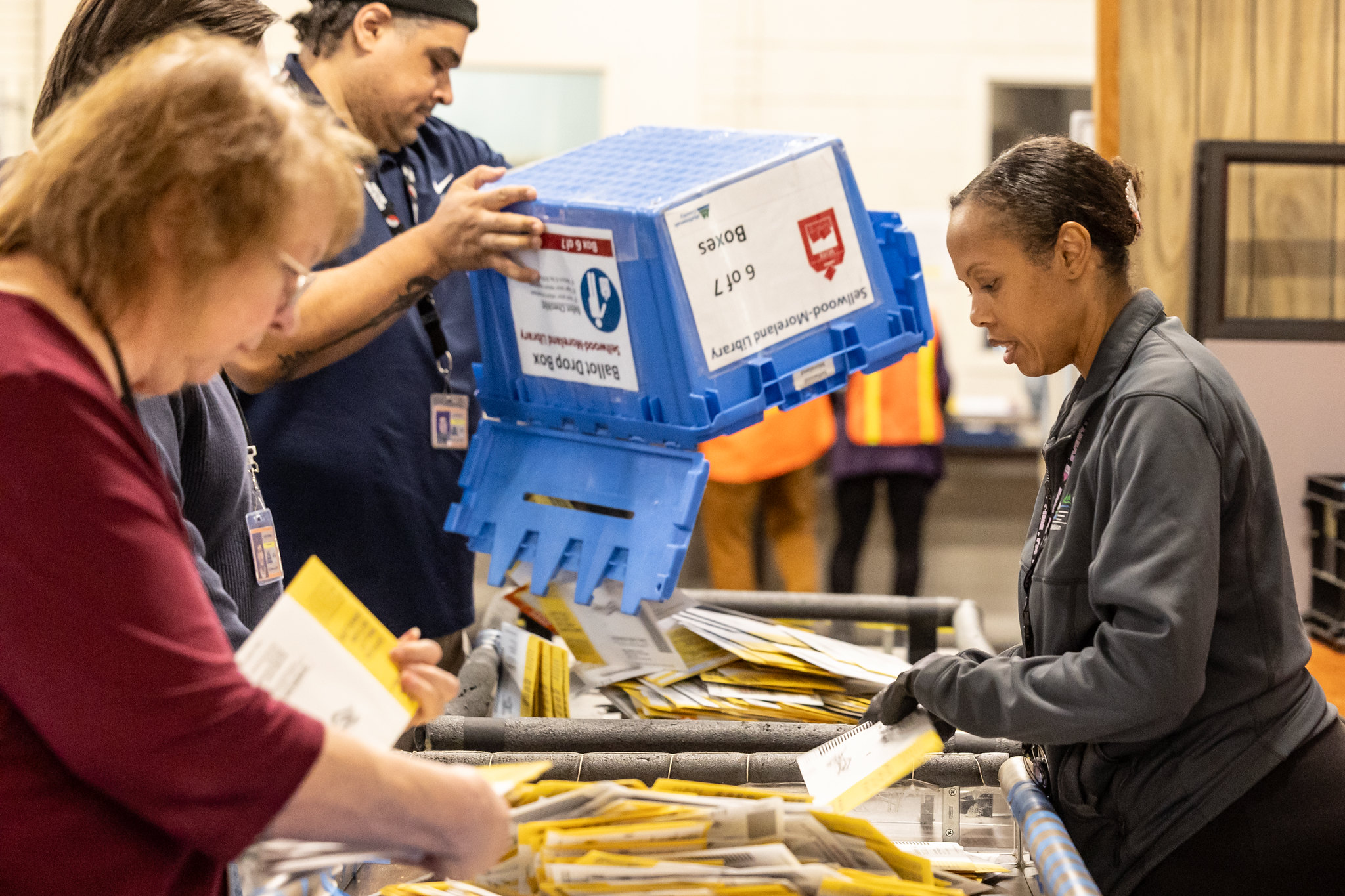
“My priorities remain resolving the initial two years of SNAP cost shifts to states, which would impose enormous financial burdens on states with mid-level error rates, as well as finally getting year-round E15 into law and funding popular voluntary conservation programs,” Senator Amy Klobuchar, a Democrat from Minnesota and ranking member on the Senate Agriculture Committee, told The New Lede in a statement. Klobuchar will be leaving the Senate at the end of the year after winning the Minnesota gubernatorial race.
But it remains unclear if the Senate will indeed push the Farm Bill through in the remaining two months of the year with its lame-duck Republican majority. Experts say the midterm results put added pressure on Republicans to do so, however, Democrats are now incentivized to push harder for their policy priorities.
Michael Lavender, policy director at the National Sustainable Agricultural Coalition, said the results “definitely give Democrats more leverage” in Farm Bill negotiations.
“It changes the dynamics of negotiations,” he said. “There was a clear message from voters — agricultural policy, rural policy, as it stands now, is not working, and it’s imperative to try something new.”
“Historic” wins in farm states
Democrats’ midterm victories were historic. However, some of the largest gains — and surprising victories — were in struggling farm states that have been Republican strongholds for decades.
In Iowa, for example — where agricultural and public health concerns played a major role in races throughout the state — Democrats won the Senate and governor’s race, as well as three of four House seats.
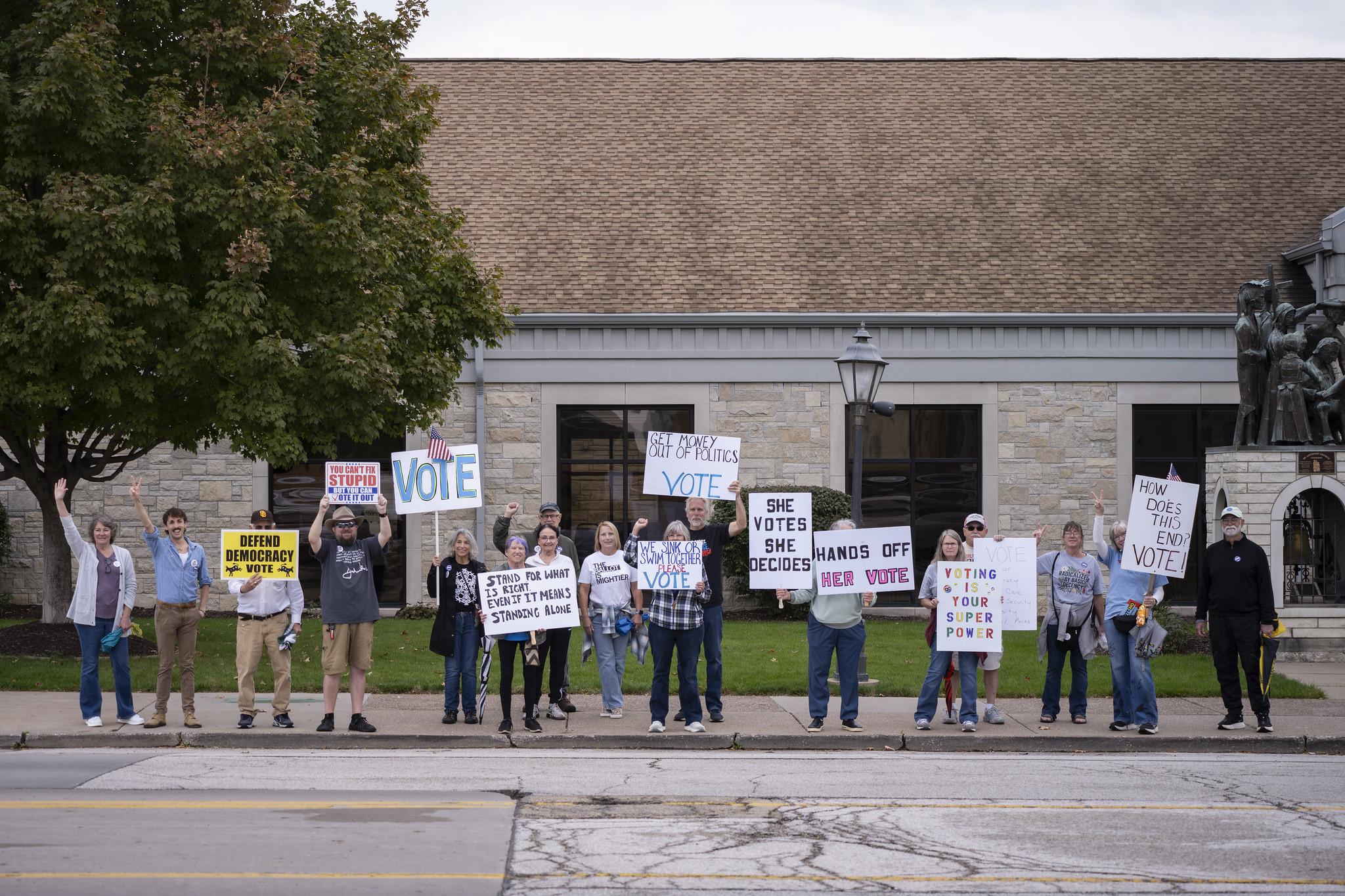
In his victory speech, Democrat Josh Turek, who won the Iowa Senate race, vowed to work on a Farm Bill that benefits all Iowans.
“I am going up to the United States Senate to pass a … Farm Bill for small family farmers in rural communities, not just Big Ag. And I am going to fight and address the cancer crisis because it is wrong that Iowa leads the nation in cancer,” he said.
“I am going up to the United States Senate to pass a … Farm Bill for small family farmers in rural communities, not just Big Ag.” – Democrat Josh Turek, Iowa
Nick Levendofsky, executive director of the Kansas Farmers Union, called it an “historic night,” referencing the victory of Pastor Adam Hamilton who will be the Kansas’ first Democratic senator in 94 years.
Aaron Lehman, president of the Iowa Farmers Union, said Democrats’ gains in Iowa, Kansas and beyond can be attributed to several agricultural issues, including water quality issues, trade disruption, fertilizer and diesel prices, tariffs, among other things.
“Input costs have skyrocketed, markets have deteriorated, farmer demand for conservation programs far outweighs investment, rural development programs are falling behind … we have not met the moment,” he said.
Advocates also pointed to the problems associated with large-scale agriculture as reasons rural voters turned to new candidates.
“Iowa’s midterms are a referendum on clean water and a clear rebuke of Big Ag,” said Jennifer Breon, senior Iowa organizer for Food & Water Action, in a statement. “No one should have to wonder whether the water they drink could give them cancer.”
Holly Bice, president of the American Meat Producers Association (AMPA), said a controversial provision that was tucked into the House Farm Bill also played a role in turning out voters. The Save Our Bacon Act (SOBA) would bar states from enforcing stricter animal welfare standards than federal or other state laws, effectively undermining California’s Proposition 12 and Massachusetts’ Question 3, which require more space for hogs, calves and chickens raised or sold in those states. The provision was included in the House Farm Bill but omitted from the Senate version. Bice said support for SOBA was, in part, behind Republican Ashley Hinson’s loss to Turek, as well as the defeats of House Republicans Gabe Evans of Colorado, Derrick Van Orden of Wisconsin and Rob Bresnahan of Pennsylvania.
“Sponsoring the Save Our Bacon Act was a cynical political miscalculation that derailed Ashley Hinson’s bid for the US Senate,” said Holly Bice, president of AMPA, in a statement. “Iowa farmers saw her bill for exactly what it was — a gift to Chinese-owned pork companies and an existential threat to American family farmers.”
Democrats’ new leverage
Both Levendofsky and Lehman said the Farm Bill represents a chance to correct several of the issues harming farm states.
Levendofsky said the House and Senate Farm Bills as currently written need to be improved — and new leadership at the turn of the year could bring about these needed changes.
“If the Farm Bill is pushed through in the upcoming lame-duck Congress, I’m just not sure it’s going to address a lot of these ongoing challenges,” Levendofsky said. “I hope it moves into the new Congress … it could well be a very different Farm Bill but I think that’s what we need.”
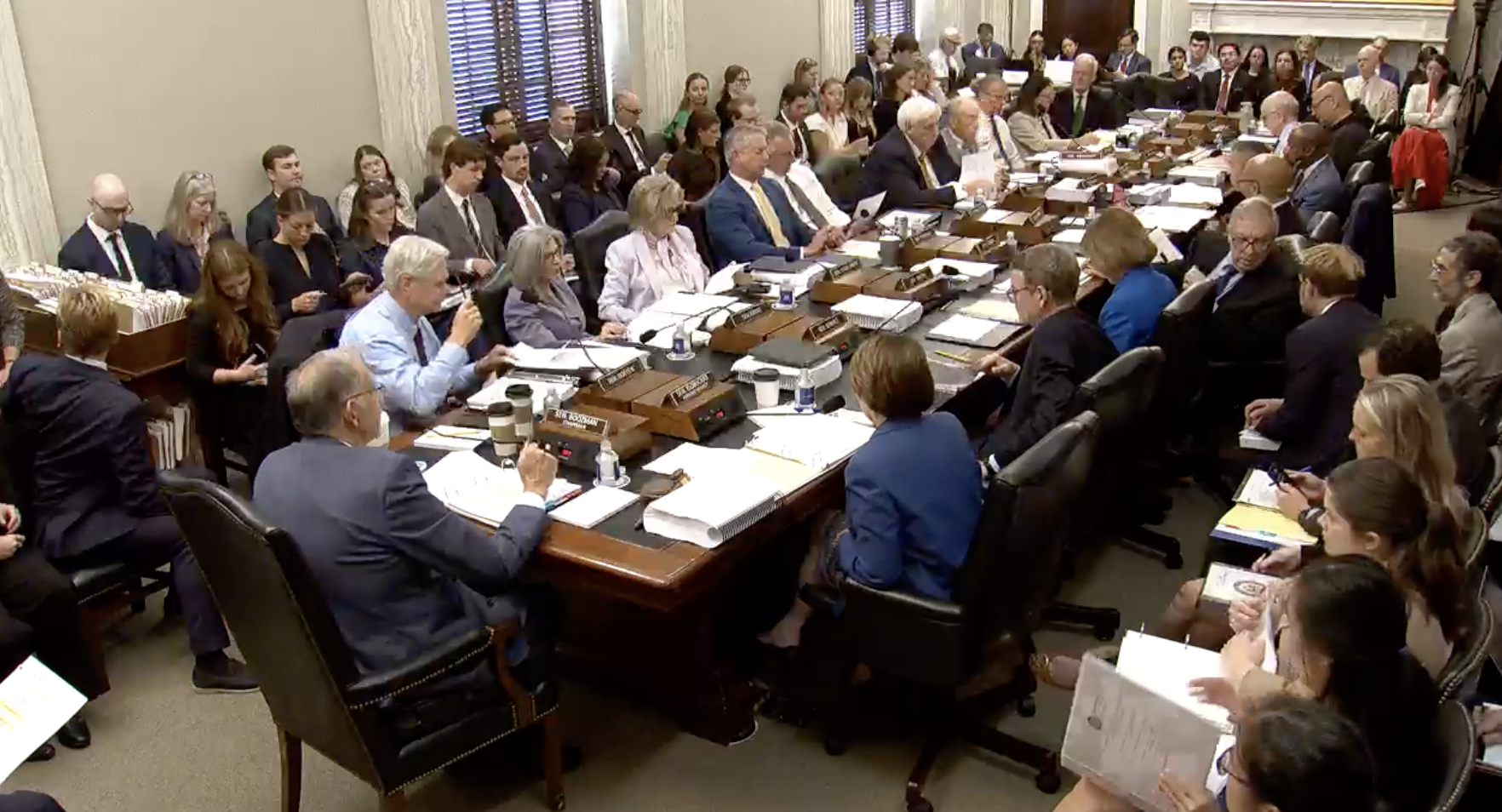
Another sticking point beyond SNAP in the Farm Bills put forward is conservation funding. Both the House and Senate versions propose cuts to financial and technical assistance for farmers that put in place conservation measures — such as cover crops, nutrient management, no- or low-till practices — that protect soil and water.
“We need investments that make meaningful change — funding for conservation measures, land retirement programs, local and regional food systems that provide markets for farmers,” Lavender said.
Lehman said it is too early to tell how the midterm results could impact the Farm Bill timing. “But I know what we shouldn’t do: settle for a return to the status quo. Our conditions demand a reset on the Farm Bill,” he said.
Senate Agriculture Committee Chairman John Boozman, a Republican from Arkansas, said in remarks at the University of Arkansas prior to the midterm results that there will be a push to get the Farm Bill passed this year. Sen. Boozman did not return requests for comment.
Sen. Klobuchar said she is “continuing to work with Chairman Boozman and House Agriculture Committee leaders to get a bipartisan Farm Bill across the finish line.”
“I am ready to get this done and I hope our Republican colleagues are ready to work with us on a Farm Bill that delivers for Americans,” she added.
Happ said he has a “hard time seeing them get to 60 votes” on the current Farm Bill versions.
“There is an incentive for Democrats to try and pass something better … and I think the incentive is even stronger now since Democrats have so much more leverage,” he said.
The Senate will return to Washington, D.C. on November 9.
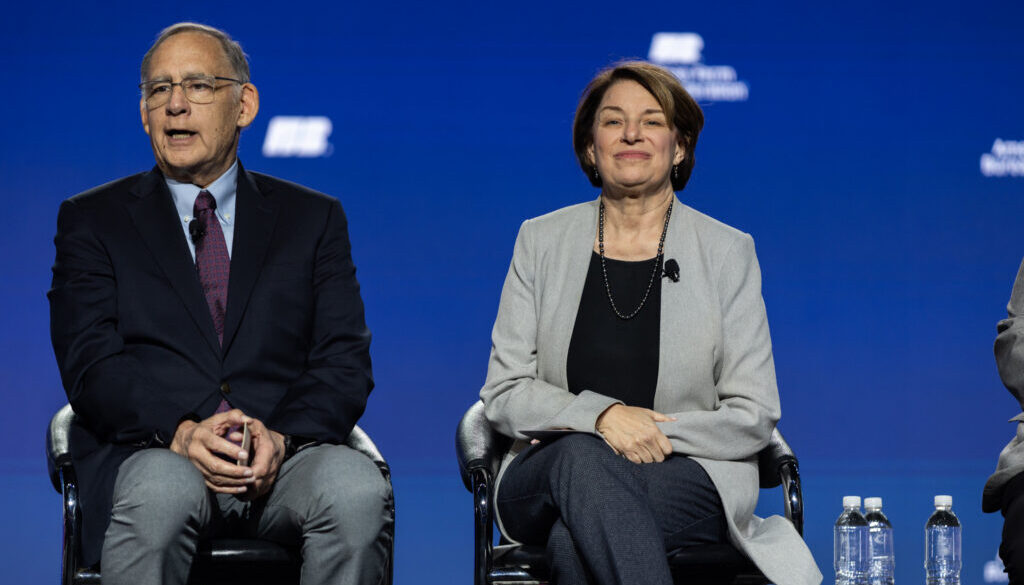
Featured image: Senate Agriculture Committee Chairman John Boozman, a Republican from Arkansas, and Senator Amy Klobuchar, a Democrat from Minnesota and ranking member on the Senate Agriculture Committee. (Credit: Arkansas Farm Bureau Federation/flickr)