I grew up in the shadow of toxic waste that shocked the nation. The danger never went away.
Listen to the audio version of this article (generated by AI).
Fifty years ago, the Love Canal disaster put the issue of toxic waste on the map. The tragedy galvanized a national movement and spurred Congress to pass “Superfund” legislation, which — at least in theory — requires polluters to clean up their toxic messes.
Despite that progress, the problem never really went away. Here in Niagara Falls, New York, long-buried toxins are resurfacing. But so is the movement to rid our communities of these poisons forever. A new generation of activists, armed with cellphones and radiation detectors, is discovering the shocking extent of industrial pollution in this once-magnificent city. And they are demanding action.
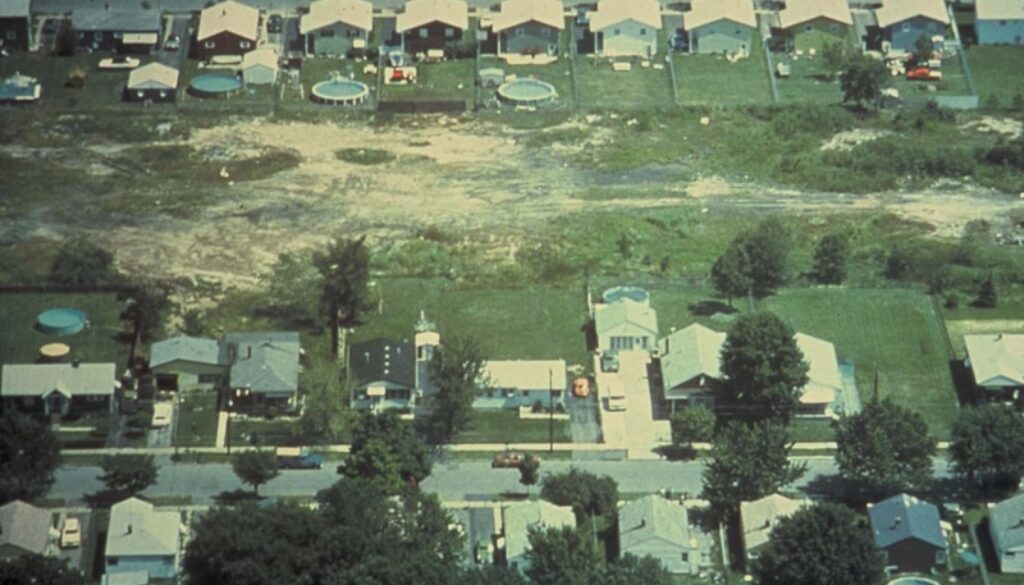
Love Canal was a half-mile-long canal into which the Hooker Chemical Corporation dumped leftover hazardous chemical compounds. Hooker covered the waste with dirt and then — incredibly —s old the land to the local school board for $1. Two schools and hundreds of homes were built atop or near the dumpsite. Precipitation, including the infamous Blizzard of ’77, created a bathtub effect that spread toxic waste into sewers, basements, soils, and creeks. For area residents, cancer, miscarriages, birth defects, and learning disabilities were distressingly common. Community activists pressured the state and federal governments for relocation. The site was capped, but just over 10 years later portions were re-inhabited.
And as it turns out, Love Canal wasn’t the half of it. We have since learned that virtually our entire city was a toxic waste dump. Love Canal is just one of 89 waste sites in the Niagara Falls area. Every resident lives on average within a half mile of a dump.
“Love Canal wasn’t the half of it. We have since learned that virtually our entire city was a toxic waste dump.”
That waste is a legacy of the corporate giants who, beginning in the late 19th century, tapped the power of the Falls — and the easy availability of salt and immigrant workers — to launch the commercial electro-chemical industry. For decades, those highly profitable corporations dumped, buried, and burned millions of tons of leftover toxic waste in the area’s fields and waterways.
It wasn’t only chemical toxins. Area factories generated radioactive waste when they participated in top-secret Manhattan Project work, Cold War nuclear experiments, or electro-metallurgical processes. They not only exposed workers to cancer-causing isotopes, but deposited radioactive waste throughout the county.
The toll of all this widespread poisoning is reflected in Niagara Falls’ alarming health statistics. The city’s residents have a shorter life expectancy than the state or nation. Niagara County is second in the state for its incidence of invasive malignant tumors. Its rates of premature death, are excessive, and worse if you are Black, Brown, or Indigenous.
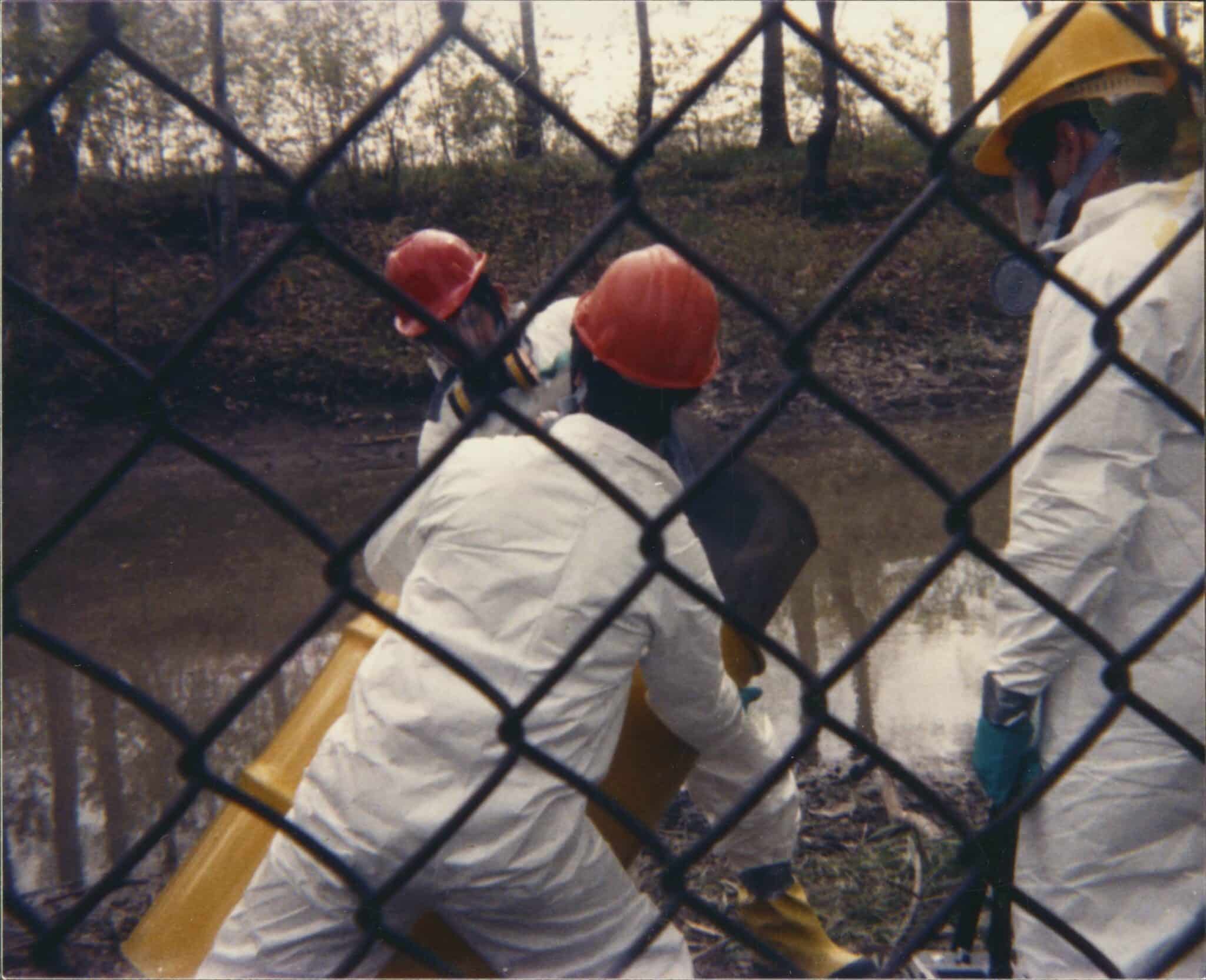
For me, this is personal. My family was among the thousands who migrated to the Falls in search of the American dream. Most toiled in stifling, chlorine-heavy furnace rooms or dusty silica bins. My father, grandfather and great-grandfather spent a combined 96 years at Carborundum, one of those dirty factories. My father, who was likely exposed at Carborundum, was diagnosed at just 62 with an exceedingly rare radiation-related cancer. He died a year later.
I grew up under a toxic plume of ortho-toluidine and played in a creek contaminated with PCBs and dioxins. I used to take short breaths while outside to limit the burning in my chest from the miasmic pollution. I regularly rode my bike through Love Canal. My elementary school had a radioactive parking lot.
It seemed everyone around me was sick — young, old, it didn’t matter. I had to move 900 miles away to realize that such high levels of chronic illness are not normal. After my own unusual cancer diagnosis at 31, and then my father’s rare one, I began to research the area’s environmental history.
My research led to two toxic tort lawsuits representing residents in lawsuits against chemical companies. But, as those cases churned through the court system, news outlets were largely silent. Residents dismissed concerns with “it’s everywhere” or “you can’t fight city hall.” The once-powerful movement to rid our region of toxic pollution had gone dormant.
Now that is changing.
Recently, online pictures surfaced at the border of a notorious site of what appeared to be orange leachate and rainbow-colored chemicals. After a dismissive state response, residents began live-streaming images, researching sources, and calling for more testing.
Then came concerns about radiation. This spring, 120 residents received official letters warning that elevated levels of radioactive material were detected on or near their properties. While authorities dragged their feet, regular people, including myself and a filmmaker, surveyed the homes with detectors. Those high-pitched alerts will stay with me forever. We used AI to help interpret the data. Residents participated in live-streamed protests and short Youtube videos. The authorities no longer control the narrative.
Then Love Canal again reared its head. After discovering industrial waste while installing a pool, a family turned to social media to identify the odd materials. Followers issued urgent warnings: Love Canal was 300 feet away. Testing confirmed alarming concentrations of chemicals and heavy metals, which likely explains the five miscarriages the couple endured. The family is now locked in a high-profile relocation battle with the state. Mini-documentaries chronicle the events.
Long buried but still lethal toxins are finally coming to light. And a new generation of activists are using 21st-century tools to protect their homes and families.
These residents will never return to a state of ignorance. Nor will they uncritically accept governmental pronouncements about health and safety. They are rewriting a digital-age protest handbook that could spare future heartbreak and loss.
Nearly 50 years ago, Love Canal residents sounded the alarm about toxic waste, which echoed across the nation and the world. While we have come a long way, the problem has not gone away — in Niagara Falls or in any other industrial city. In fact, there is no “away.” All landfills eventually leak. The impacts of exposure to toxic chemicals are generational.
Niagara Falls is a testament to the harm of environmental malfeasance. With new tools, we are seeking accountability and restitution. Addressing the injustices that occurred here may very well — again — reverberate across the world.
Featured image: Love Canal in the 1970s. (Credit: EPA)