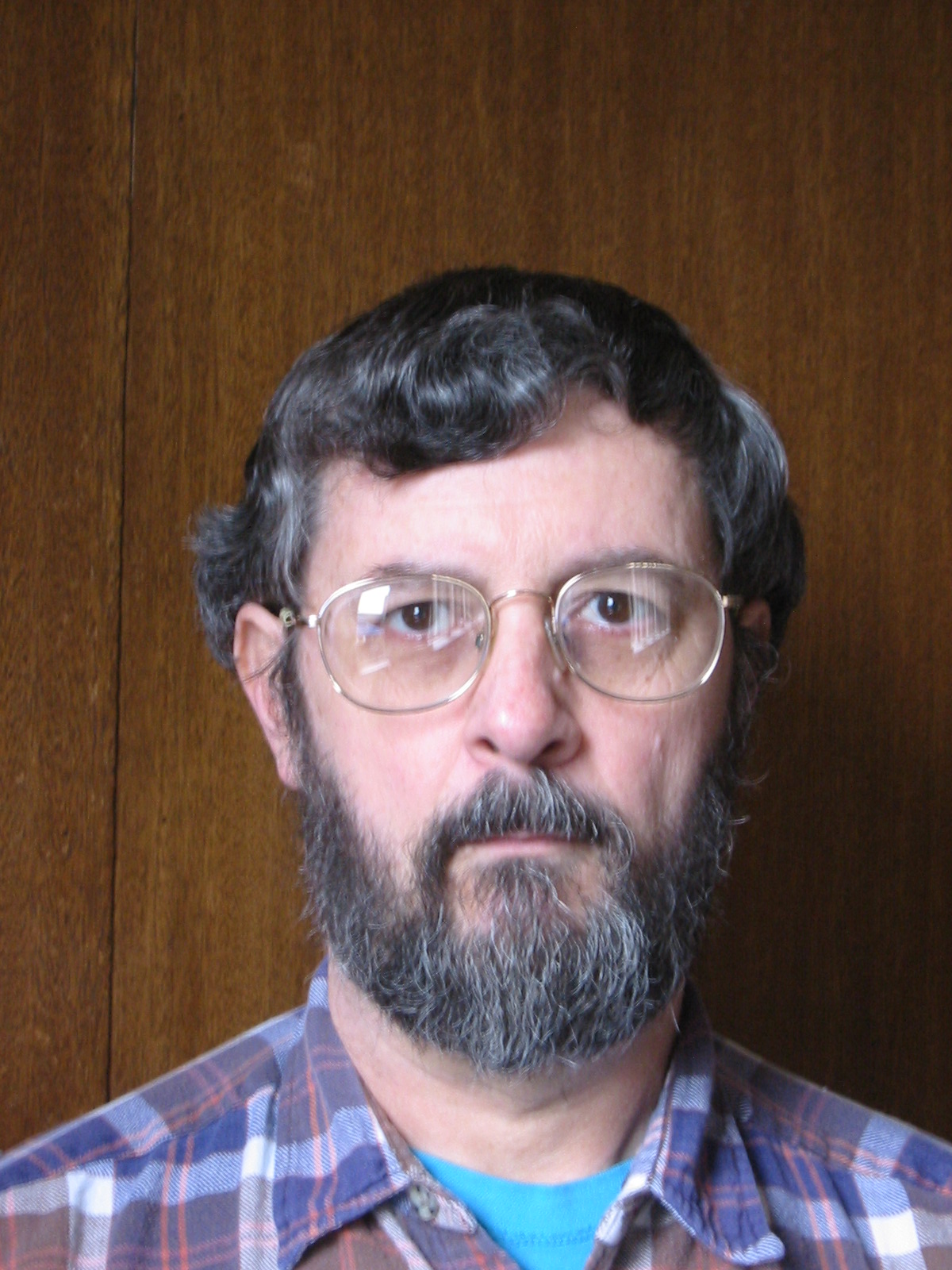

Reflections on pesticide regulation from a “recovering” EPA chemist
It was 1996 and I was working as a regulatory chemist at the Environmental Protection Agency (EPA) when my supervisor and agency section head, Bart Suhre, went over my annual evaluation in his office. I was doing a fine job, he said. Then he asked me how I saw my future in the organization.
My answer was candid: I had reached the highest level as a “worker bee,” in the agency’s Office of Pesticide Programs (OPP) and I was interested in advancing. But I also wanted to work for an organization dedicated to cancelling pesticides, which research has shown are harmful to humans and the environment, and I worried I was in the wrong place.
As I have told Bart since, I have worked for more famous people, but he was my most supportive supervisor. At our meeting, Bart sympathized and understood my frustrations with OPP. We were both military veterans, and we both respected the “chain of command.” But we both also respected the significance of that comes with work at the EPA, specifically for us, risk assessments of pesticides. But what I learned at the agency was that even when data indicated a need for risk reduction, up to and including cancellation of a pesticide use, such actions were too often avoided.
In our work assessing risk through dietary exposure to pesticides, it was not difficult to refine different levels of analyses and I learned of one case where a high-level director in the reregistration division asked if the risk numbers could be reduced. Such pressure for results that avoided restrictions on certain pesticides led me to learn that if you tell a chemical company “No” too often, you hurt your chances for promotion. During a meeting on my division’s reorganization with managers present, I commented that my proudest moments at OPP had been when my work supported agency negotiations with companies that led to pesticide risk reductions; but I wanted to more of those moments.
In 1998, frustrated by OPP’s unwillingness to cancel old, dangerous pesticides, in part due to pressures from a Republican Congress, I left for a position as research scientist with the University of Washington School of Public Health in Seattle, where I still reside.
I was here when I learned in August 2018 that a San Francisco jury found Monsanto Co liable for Dewayne Johnson’s non-Hodgkin’s lymphoma. Johnson, who served as school groundskeeper, claimed his disease was caused by years of routinely applying Monsanto’s Roundup weed killer, with the “active ingredient,” glyphosate, on school property. The jury found Monsanto acted with “malice” in failing to warn users of the cancer risk of its chemical.
The trial helped expose internal corporate documents such as records of communications with a key OPP scientist charged with assessing glyphosate for cancer risk.
In March 2015, the International Agency for Research on Cancer, part of the World Health Organization, classified glyphosate as “probably carcinogenic to humans.” Yet still to this day, the EPA officially characterizes glyphosate as “not likely” to be carcinogenic. Glyphosate remains the most widely used weed killer in the world.
The EPA seems similarly beholden to another weed killer, with “active ingredient” atrazine.
During my time at the EPA, my “chemical” assignments there included atrazine, at that time the most frequently used weedkiller on corn, as well as a related pesticides simazine and cyanazine.
Cyanazine provided an example of how the system should work. It was cancelled by DuPont Co. after an EPA risk assessment, including my exposure assessment, found a “non-negligible” dietary risk for cancer, which was too high for the company to dispute scientifically. Atrazine, however, remains in wide use despite concerns as a potential endocrine disruptor.
The Food Quality Protection Act, passed while I was still at OPP, established more stringent guidelines on pesticide risk assessments, including recognizing children as an especially sensitive group, due to their growing bodies and higher proportion of fruit and vegetable consumption compared to weight.
The Act also required EPA to establish an Endocrine Disruptor Screening Program, where EPA identifies potential chemicals of concern based on available scientific literature, and establishes a tiered system for chemical companies to conduct more detailed testing based on suspected hazards. Admittedly, this is a huge program, since literally thousands of chemicals historically have been approved for use in the US under a weak Toxic Substances Control Act.
EPA identified atrazine among 67 pesticides that should be considered first for testing due to obvious exposure potential, to workers, food consumers, and wildlife. But a 2015 assessment by OPP concluded that even after finding atrazine interacted with both estrogen and androgen pathways, there was no need for more testing because it would not likely impact EPA-established endpoints for human health or ecological risk.
Notably, that decision went through Jess Rowland, then deputy division director of the Health Effects Division of the OPP. Did he “cook the books,” as some say he did for Monsanto and glyphosate? I have no knowledge on that point, but he clearly had benefited from the same message that drove me away from OPP.
In November 2025, IARC designated both atrazine and alachlor, another chlorinated aromatic herbicide used on corn and soybeans among other crops, as “probably carcinogenic to humans.” Six months later, EPA dismissed that determination.
Not surprisingly, at the end of May, the Center for Biological Diversity and other organizations notified EPA of their intent to sue to force the agency to develop water quality standards for atrazine.
One reason that I left EPA in 1998 was fear that if Republicans won the White House in 2000, things would get worse. In 2010, the Supreme Court issued Citizens United, and the resulting influence of money in politics has been more detrimental to “protecting children and other living things,” than I could have imagined.
Now, Donald Trump seems determined to turn EPA into a wholly-owned subsidiary of the toxic chemical industry.
(Opinion columns published in The New Lede represent the views of the individual(s) authoring the columns and not necessarily the perspectives of TNL editors.)
Featured image AI generated.