As election day looms, water quality and cancer concerns top of mind for Iowa voters
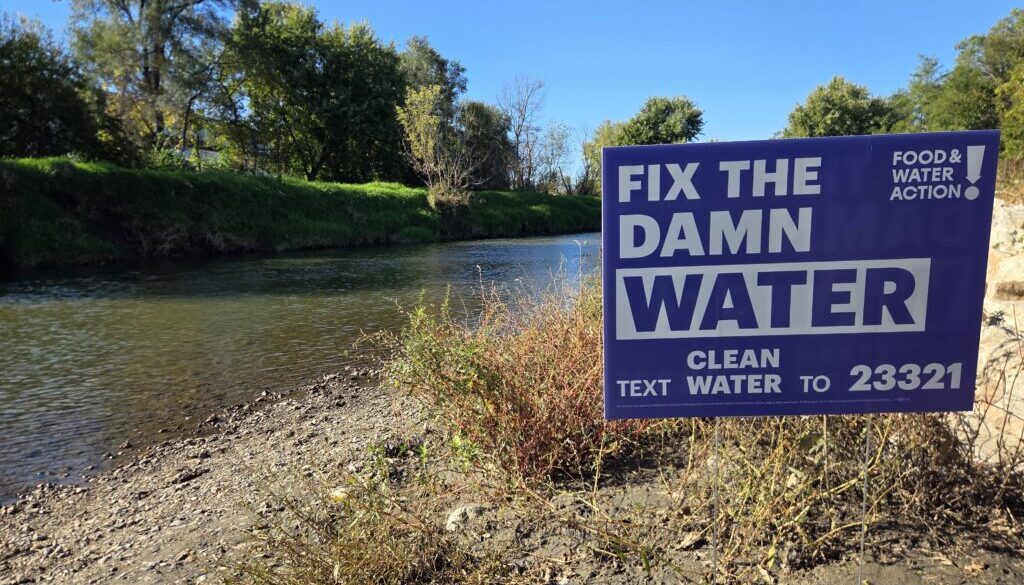
BONDURANT, Iowa – Amid the election-year debates, political advertisements and polls, one simple Iowa yard sign sums ups a core issue seen driving voter sentiment. It reads simply: “Fix the damn water.”
The concerns about persistent water pollution in this key US farm state have been growing for years, as have unrest over rising rates of cancer. But the Nov. 3 midterm elections mark what health and environmental advocates say could be a turning point as many voters are expected to take their concerns with them to the ballot box.
The contamination of key state waterways, which research has linked to the state’s large agricultural industry, is a suspected cause for the state cancer plague. Iowa waters have the nation’s highest concentration of cancer-causing nitrates, and the state has the nation’s fastest-rising cancer rate and second-highest rate overall.
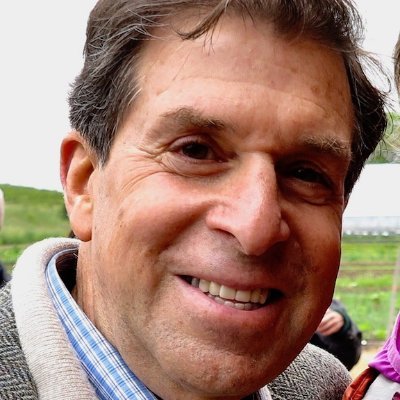
“I’m looking for candidates that are willing to face the heart of the fact that probably our biggest industry [agriculture] is probably at least a significant contributor to [the water contamination],” said retiree Mark Shepherd, of Adel, Iowa. Shepherd was interviewed as he attended a recent campaign event for Zach Lahn, the Republican candidate for the Iowa governor’s race, in the Des Moines suburb of Bondurant.
“I’m looking for people that will take the onus to look at it, investigate it, and start to try and come up with some solutions,” said Shepherd.
Voter angst over these issues and a range of others have made Iowa one of a handful of states political observers see possibly helping drive a “blue wave” of Democrats back into power in Congress.
Platform pledges
Lahn has made water quality and cancer concerns a big part of his platform, pledging to “Make Iowa Healthy Again”. He says the state should be pushing for independent safety testing of agricultural products, shunning corporate influence, investing in water monitoring and working with farmers to expand practices that can limit the pollution from farm runoff.
“I’m looking for people that will take the onus to look at it, investigate it, and start to try and come up with some solutions.” – Mark Shepherd, Adel, Iowa
His attention to the issues has drawn the support of the national Make America Healthy Again (MAHA) movement; the MAHA Action Pac donated $1.5 million to his campaign this month.
Lahn’s opponent, State Auditor Rob Sand who’s running as a Democrat, tells voters he is the only candidate “who will tackle our state’s skyrocketing cancer crisis and improve Iowa’s water quality.” He calls for increasing public funding for voluntary pollution prevention programs, expanding wetlands, and establishing a cabinet-level cancer task force.

In an Oct. 27 debate, both Lahn and Sand cited the cancer concerns as key issues they would take on if elected.
In another state race, Chris Jones, a former University of Iowa water-quality researcher and environmental scientist who is the Democratic candidate for state agriculture secretary, is garnering support from many for his pledge to crack down on farming practices and policies that are leading to the state’s dire water contamination issues.
He hosted a “What’s in your Water?” trivia night at a Des Moines brewery in early October. Not far from the bar lies the confluence of two rivers that supply drinking water to more than 600,000 people, and which frequently exceed the federal safe drinking water limit for nitrates.
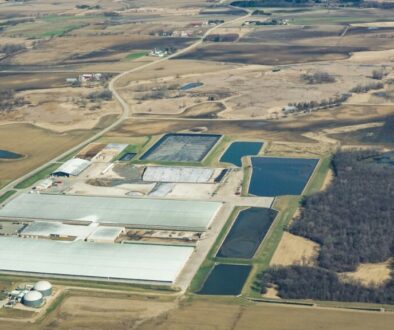
Jones says he would target concentrated animal feeding operations (CAFOs) that produce vast amounts of manure, and shrink acres devoted to growing Iowa’s corn and soybean crops. The state ranks first and second in the nation, respectively, for production of those crops. Both the crops and the CAFOs contribute to water quality problems because synthetic fertilizer used on the farm fields and manure from the CAFOS contain nitrogen, which converts to harmful nitrate as it moves from the soil into surface and groundwaters.
“A vote for me is a vote for clean water,” Jones says in a campaign video.

Mike Naig, the incumbent two-term Republican Iowa secretary of agriculture, acknowledges Iowa’s cancer incidence and poor water quality, but insists both are not the fault of farmers.
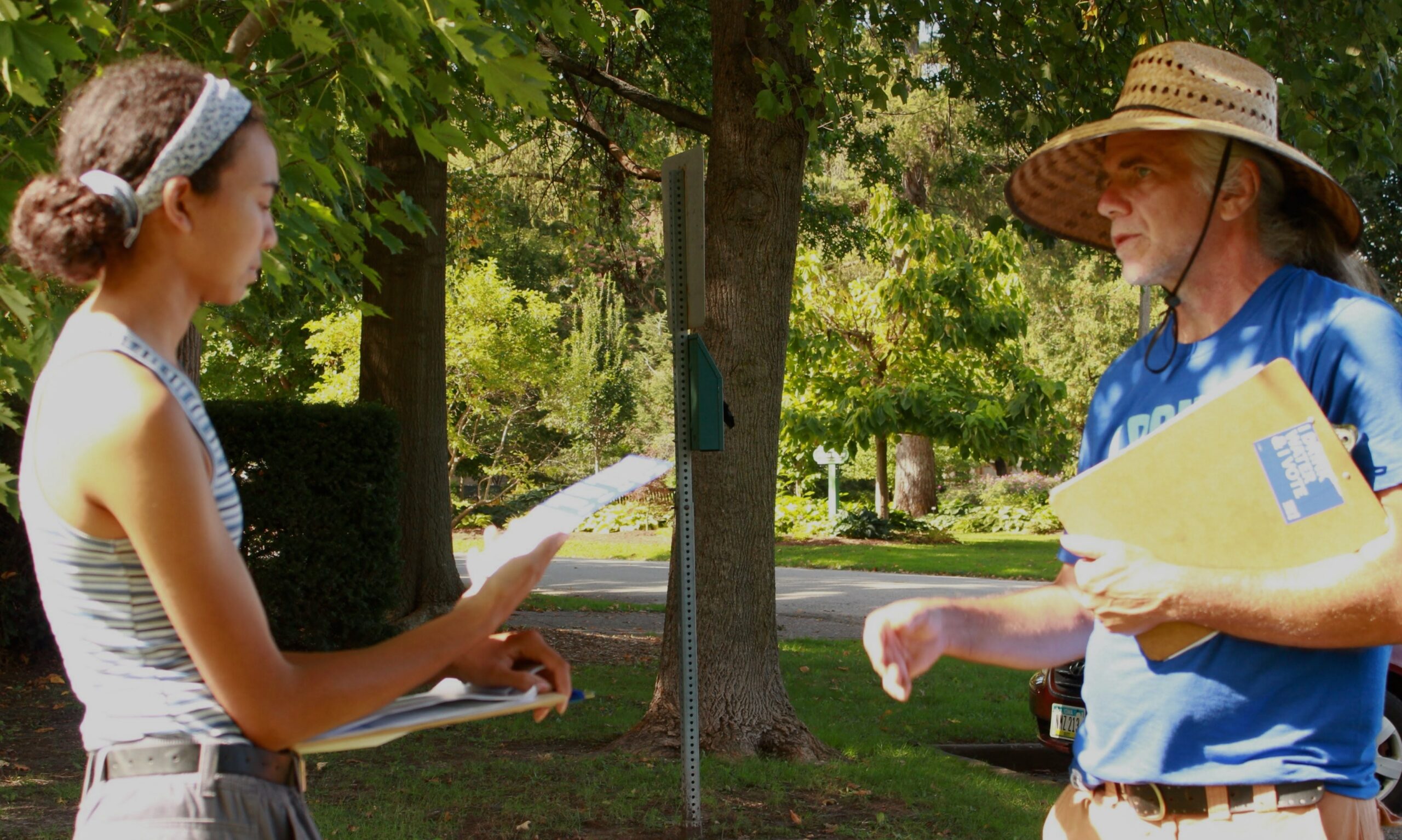
Food & Water Action (FWA), a sister organization to the national environmental advocacy group Food & Water Watch, has been spending the days leading up to the election canvassing in support of Jones, who stands out as “one of the few candidates that we’ve ever seen in Iowa’s history who is ready to take on the water crisis and fight for bold solutions,” according to FWA senior organizer Michaelyn Mankel.
Mankel, who lives in the state capital city of Des Moines, said the issues are deeply personal for her.
“Since taking this job, both my boss and my father have been diagnosed with cancer,” she says. “Now it feels more common to come across Iowans who know, or who themselves have been diagnosed with cancer, than to come across Iowans who haven’t been touched by it.”
“Ready for change”
A vast majority – 78% – of Iowa Democrats ranked water quality and the environment in their top five of nine issues, as did 64% of independents and 41% of Republicans in the state, with 63% of those polled reporting being concerned about the quality of their tap water at home, according to a September poll from the John Hopkins Center for a Livable Future.
A poll conducted earlier this year by the Global Strategy Group found that 72% of Iowans said rising cancer rates were a very serious problem and 79% of Iowa voters support introducing mandatory requirements for industrial agriculture to reduce pollution.
The voter concerns come after a team of 16 scientists last year released the results of a two-year-long assessment of the state’s water quality, concluding that key drinking water supplies are commonly laden with harmful contaminants that include phosphorus and nitrates, bacteria from animal and human waste, pesticides and other chemicals. Much, though not all, of the contamination is tied to agriculture, according to the report.
With nearly 87,000 farms, agriculture is a key engine for the state’s economy, and longstanding political allegiance to agricultural interests have thwarted past efforts at change.
But the prevalence of cancer throughout the state, combined with evidence of the association to agricultural pollution, has voters and candidates alike unwilling to ignore the issues.
Democratic state Rep. Josh Turek, who is running for a US Senate seat, lets audiences know that cancer concerns are personal to his family as his sister is being treated for breast cancer and his grandmother died of pancreatic cancer.
“This is not the state that I know. This is not the state that I grew up in,” he said a rally in August. “We are basically dead last for every single economic metric, healthcare metric. We’ve got a water quality crisis, a cancer crisis. Iowans are ready for change.”
“Not okay”
Katie Rock, a former soil & water conservation district commissioner for Polk County, which includes Des Moines, said the state has over a decade of failed strategies to overcome when it comes to water quality. Rock serves as state policy manager for the Blue Green Alliance, an organization focused on labor union and environmental health issues.
“The strategies that we’ve had in place to try to address this as a state haven’t changed in over 10 years, and I think it’s pretty clear that it’s not really working,” Rock said. “There’s been a town and country divide, but I think the cancer rates are something that kind of unifies people.”
“The strategies that we’ve had in place to try to address this as a state haven’t changed in over 10 years, and I think it’s pretty clear that it’s not really working.” – Katie Rock, Blue Green Alliance
In March, the Iowa Environmental Council (IEC) released a report in conjunction with the Harkin Institute at Drake University that highlights the Iowa’s water pollution crisis and connection with rising cancer rates. IEC recently launched the Protect Water, Prevent Cancer campaign, which aims to engage with policy makers and raise awareness about the issue.
“Iowans have shared that they are scared and also angry,” said IEC spokeswoman Bethany Kohoutek. “They want our state to do more to ensure safe, healthy drinking water and take meaningful action to protect Iowans from cancer. Cancer rates across the rest of the country are going down. Here in Iowa, rates are going up. That’s not normal and it’s not okay.”
See additional reporting on Iowa’s water and cancer crises in our Cancer in the Corn Belt series.
Featured image by J.M. Norris.