Lawsuit seeks answers on EPA’s abandoned CAFO pollution panel
Listen to the audio version of this article (generated by AI).
US regulators are illegally withholding records related to the disbanding of a panel set up by the Biden administration to address water pollution from factory farms, according to a lawsuit filed last week.
The lawsuit, filed by the advocacy group Food & Water Watch, alleges the US Environmental Protection Agency (EPA) has failed to fulfill Freedom of Information Act (FOIA) requests seeking communication between the agency and industry groups about the EPA’s Animal Agriculture and Water Quality Subcommittee disbanding.
The subcommittee was created in 2023 in response to a petition asking the agency to bolster its Clean Water Act oversight of concentrated animal feeding operations, CAFOs, which generate massive amounts of manure that can pollute rivers and lakes with nitrates, phosphorus, bacteria, antibiotics and other contaminants.
The EPA denied the petition but created the subcommittee to gather more information about CAFO pollution. The subcommittee met three times in 2024. Once the Trump administration took office, the EPA — without explanation — stopped all communication with members, cancelled all upcoming meetings, and, months later, changed the subcommittee’s status to “inactive,” according to the lawsuit.
“EPA has not produced a single responsive record, provided any timeline for a rolling production of records, supplied any explanation as to why it failed to meet the … deadlines to which EPA committed for release of records,” the lawsuit states.
Tarah Heinzen, legal director at Food & Water Watch and a member of the disbanded subcommittee, said members “received zero communication explaining what inactive meant or how the agency justified abandoning this process that it had committed to doing in a federal court.”
“We received zero communication explaining what inactive meant or how the agency justified abandoning this process.” – Tarah Heinzen, Food & Water Watch
The unfulfilled FOIA requests are aimed at understanding “what the EPA did in the lead up to its decision to abandon this work, who it talked to, who may have influenced the process,” she added.
The original petition, which was also filed by Food & Water Watch, cited evidence that pollution from CAFO manure threatens or already contaminates roughly 14,000 miles of rivers and streams and more than 90,000 acres of lakes and ponds, and argued the EPA needs to strengthen CAFO permitting under Clean Water Act guidelines. Only 32% of US CAFOs have National Pollutant Discharge Elimination System (NPDES) permits, which are required by the Clean Water Act for facilities that discharge water pollution, according to EPA data.
The EPA rejected the petition but agreed to set up the subcommittee “to hear from farmers, community groups, researchers, state agencies, and others about the most effective and efficient ways to reduce pollutants generated from CAFOs.”
“We want to hear from all voices and benefit from the findings of the most current research, and EPA is confident that these efforts will result in real progress and durable solutions to protecting the nation’s waters,” the EPA wrote of the subcommittee in its response to the petition.
An EPA spokesperson said that the subcommittee was part of the agency’s broader Farm, Ranch, and Rural Communities Committee. When the EPA announced a new charter for the committee and put out a call for member nominations in January 2026, “the existing [Animal Agriculture and Water Quality Subcommittee] members could not be renewed after their terms expired in November 2025,” the spokesperson said, adding that the agency is assessing next steps. The spokesperson did not explain why members were not notified.
Emily Miller, a staff attorney at Food & Water Watch, said the agency’s explanation “doesn’t explain why they canceled every single subcommittee meeting in 2025 without notice … why they refused to communicate with subcommittee members even when they repeatedly reached out for answers, or why they’ve been stonewalling our records request.”
“EPA is making it seem like the clock just happened to run out on the subcommittee, while ignoring the fact that EPA is in complete control of that clock,” she added.
Mike Callicrate, a rancher, family farm advocate and founder of Ranch Foods Direct, called his time on the Animal Agriculture and Water Quality Subcommittee “a huge waste” of time, and confirmed that the EPA did not communicate at all after the Trump administration took office.
“As soon as Trump came back you knew they were gonna disband this subcommittee — and sure enough, the EPA just went silent and gave no notice,” he said.
“Even while it was operating, the whole thing was a half-ass attempt to give everyone a so-called voice,” he said.
The New Lede reached out to livestock industry representatives who were on the subcommittee but did not hear back.
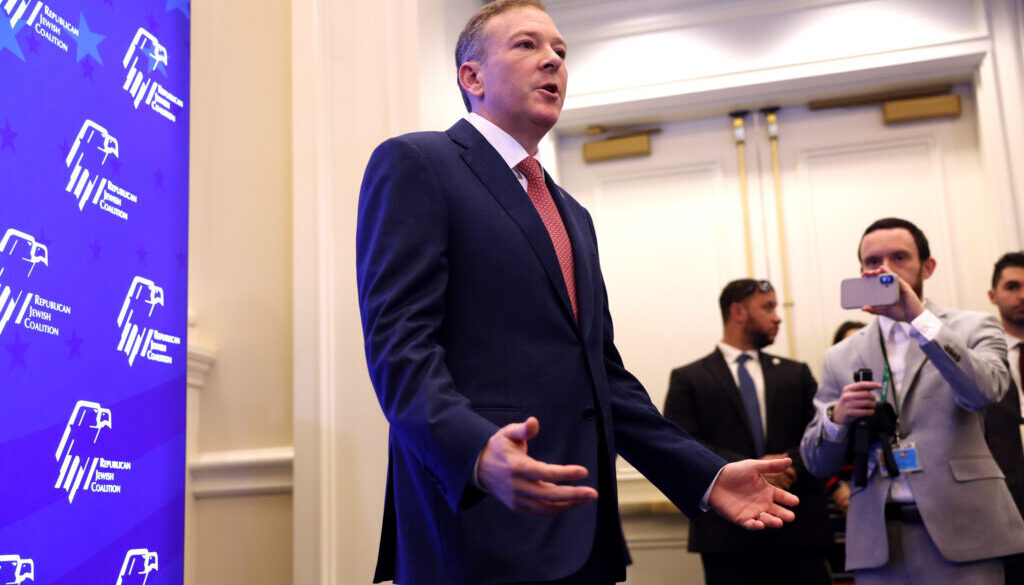
Featured image: EPA administrator Lee Zeldin. (Credit: Gage Skidmore/flickr)