USDA to remove rules protecting livestock farmers from discrimination and deception
Listen to the audio version of this article (generated by AI).
The US Department of Agriculture (USDA) announced last week it aims to rescind a series of Biden-era rules that were designed to protect farmers from any unfair practices by the large meat companies that dominate the market.
Supporters of the rules say they helped protect farmers from retaliatory and discriminatory practices and bolstered transparency in contracts and payments. Removing the rules will prioritize corporate interests over the financial well-being and treatment of farmers, critics said.
The primary beneficiaries of the rules rollback would be just four meat companies — Tyson, Cargill, JBS, and National Beef. The four control an estimated 85% of the beef market and 67% of the pork market.
The plan to rescind the rules against “illegal abuse from meat packers and chicken companies is a real slap in the face to hard-working people who have for years put up with unfair, deceptive and retaliatory practices that pervade livestock and poultry markets,” said Emily Miller, a staff attorney at Food & Water Watch, which has advocated on behalf of the rules against challenges from the meat industry.
The three rules flagged by the USDA to rescind are all specific to poultry and livestock farmers. The Inclusive Competition and Market Integrity rule “prohibited practices relating to discrimination, retaliation and deception in contracting” and also protected farmers’ rights to participate in co-ops and other business relationships. The Transparency in Poultry Grower Contracting and Tournaments rule required that chicken companies disclose information to contract farmers before and during the duration of contracts.
And the Poultry Grower Payment Systems and Capital Improvement Systems rule sought to prevent chicken companies from engaging in unfair or deceptive practices against farmers. Meat companies use a “tournament” or ranking system in contracting and setting up payment with poultry farmers. Miller said it’s often a “system that pits farmers against each other.”
“It rewards those who perform above average with extra pay docked from the paychecks of those who perform below average,” she said, adding that the rule sought to prevent such practices.
The three rules fall under the Packers and Stockyards Act that was passed more than a century ago and addressed discrimination and antitrust issues. The USDA and other federal agencies, however, have used the Packers and Stockyards Act in recent years to pursue antitrust cases.
In one high-profile case, the US Department of Justice brought a complaint against Cargill over allegations that its subsidiary company Wayne Sanderson Farms “engaged in a conspiracy with other poultry processors to share sensitive compensation information for processing plant workers.” In a 2024 settlement, Wayne Sanderson Farms was barred from using or sharing “competitively sensitive information about compensation for poultry processing workers.”
Miller said, however, the new rules were needed as the original Act had become largely ineffective. When announcing the new rules, the Biden administration said they would “modernize” the Packers and Stockyards Act with “clearer” standards.
“It has become very difficult for farmers and ranchers to actually vindicate their rights under this law,” she said. “The goal of these regulatory efforts was to clarify express regulation of what is and what is not allowed under federal law.”
Meat companies’ opposition
Meat company interests have long fought the rules that are now proposed to be scrapped, saying they were unlawful and created unnecessary and burdensome requirements for companies.
“It has become very difficult for farmers and ranchers to actually vindicate their rights under this law.” – Emily Miller, Food & Water Watch
The National Chicken Council, Meat Institute, Southwest Meat Association, and the Texas Broiler Council previously sued the USDA to overturn the Inclusive Competition and Market Integrity rule, for example.
The groups argued the rule would cost meat companies billions of dollars to comply, increase meat costs for consumers and would exceed the USDA’s authority to regulate the market.
The Meat Institute did not return requests for comment on the USDA’s proposal to remove the rules. The National Chicken Council referred The New Lede to past statements on the rules, including from past council president Mike Brown, who called the Inclusive Competition and Market Integrity rule “absurd” when it was put forth in 2024. Brown said at the time that the rule was driven by “far-left activists, anecdotes from a handful of disgruntled growers, and trial attorneys who are seeking to shape the regulatory environment to line their own pockets.”
A USDA spokesperson said the agency is “reviewing these rules and conducting thorough analyses” to examine if the rules are consistent with the Trump administration’s 2025 Executive Order on “Unleashing Prosperity through Deregulation.”
In addition, a court filing in February from USDA Secretary Brooke Rollins indicated the agency was revising the Inclusive Competition and Market Integrity rule because it may not comply with President Trump’s executive orders that restrict Diversity, Equity and Inclusion programs across the federal government.
The proposed changes were listed in the Office of Management and Budget’s USDA rule list and the changes will next go to a public comment period.
Bill Bullard, CEO of R-Calf, a cattle producer trade organization that has advocated for the rules on the chopping block, said it wasn’t clear yet if the USDA intends to “revert back to the hands-off era and let the packers continually exert abusive market power to harm producers … [or] write a better rule.”
“On the surface, it looks like the former,” he said. “All the money the USDA is making available to smaller packers will be for naught if USDA doesn’t simultaneously rein in the abuse market power of the dominant packers.”
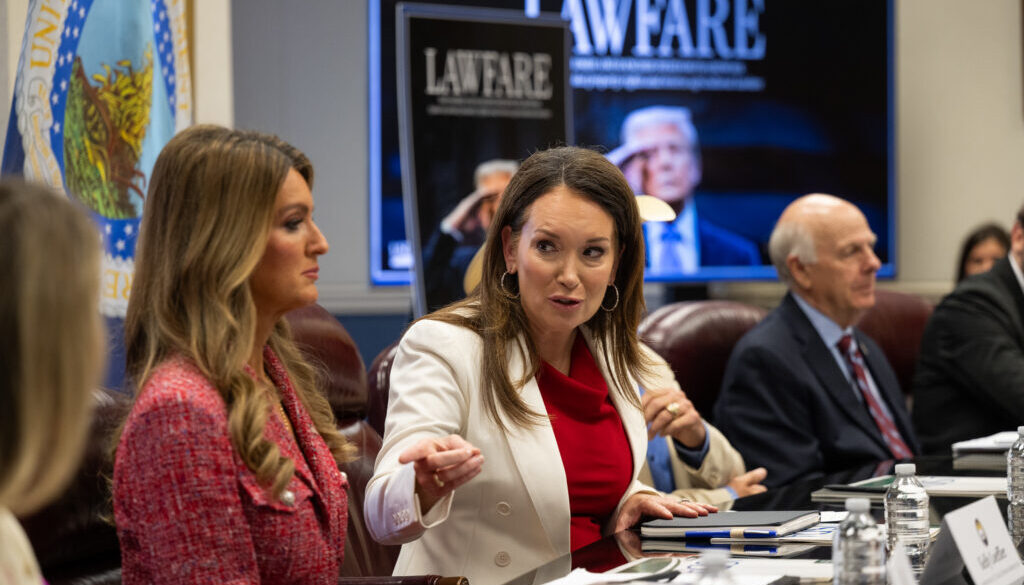
Featured image: USDA Secretary Rollins at a July event. (Credit USDA)