Iowans are suffering from higher rates of more than a dozen types of cancers linked to pesticides and pollutants than the rest of the country, with researchers saying the risk of pesticide exposure alone may rival that of smoking, according to a new report.
Iowa has the second-highest rate of cancer in the nation and is only one of three states where cancer is rising, according to the National Institutes of Health. For many types of cancer, the state’s numbers dwarf national averages. For example, Iowa’s rate of prostate cancer is 129 people per 100,000, compared to the US average of 116 people. The state’s breast cancer rate is 137 people per 100,000, compared to the US average of 131 people.
The state’s overall cancer rate is 498 people per 100,000 — 10% higher than the national rate.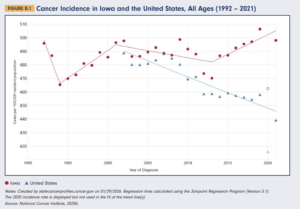
“This is impacting every corner of the state. There’s no bounds … Democrat, Republican, urban and rural,” said Sarah Green, executive director of Iowa Environmental Council (IEC), which published the new report along with The Harkin Institute, a public policy research institute located at Iowa’s Drake University.
The researchers analyzed cancer and pollution data and existing scientific research, held listening sessions with Iowans over the past year, and narrowed the report to four environmental risks: pesticides, per- and polyfluoroalkyl substances (PFAS), nitrates and radon due to their pervasiveness in the state.
The report found that 13 of the 16 types of cancer — including breast cancer, brain cancer, Non-Hodgkin lymphoma and prostate cancer — that are linked to pesticide, per- and polyfluoroalkyl substances (PFAS), nitrate and radon exposure are afflicting Iowans at much higher rates than the US population, according to the most recent data.
“Iowa stands out as an outlier compared to most other states in terms of exposure to these environmental risk factors,” the report states.
The results come as state politicians and public health officials increasingly express alarm over the state’s rising cancer rates and search for answers. While some residents and health and environmental advocates have pointed to farm chemicals, farm industry groups and their political allies have defended pesticide and fertilizer use as safe.
“Iowa stands out as an outlier compared to most other states in terms of exposure to these environmental risk factors.”
The report authors stressed that cancer is complex and cannot be pinned on one driver alone, but said their research suggests the loads of pesticides, fertilizer, manure and other pollutants are likely making Iowans sick.
“We have some of the highest use of pesticides in the entire country and we also have some of the highest nitrate levels in our waterways in the country,” said Adam Shriver, co-author of the report and director of wellness and nutrition policy at The Harkin Institute. “Those chemicals are probably playing a pretty significant role in Iowa’s crisis.”
Farm chemicals and cancer
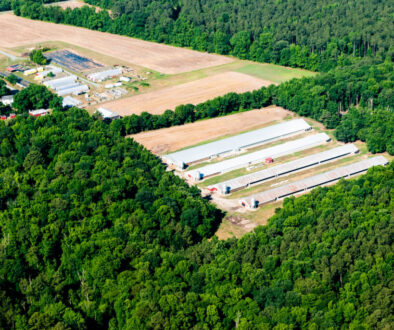
Iowa has nearly 87,000 farms, ranking first for corn, pork and egg production. It is also in the top five states for soybeans and raising cattle. Of Iowa’s 35.7 million acres of total land, roughly 31 million is devoted to farming and the state has long suffered from excess pesticides, fertilizers and manure contaminating its waterways.
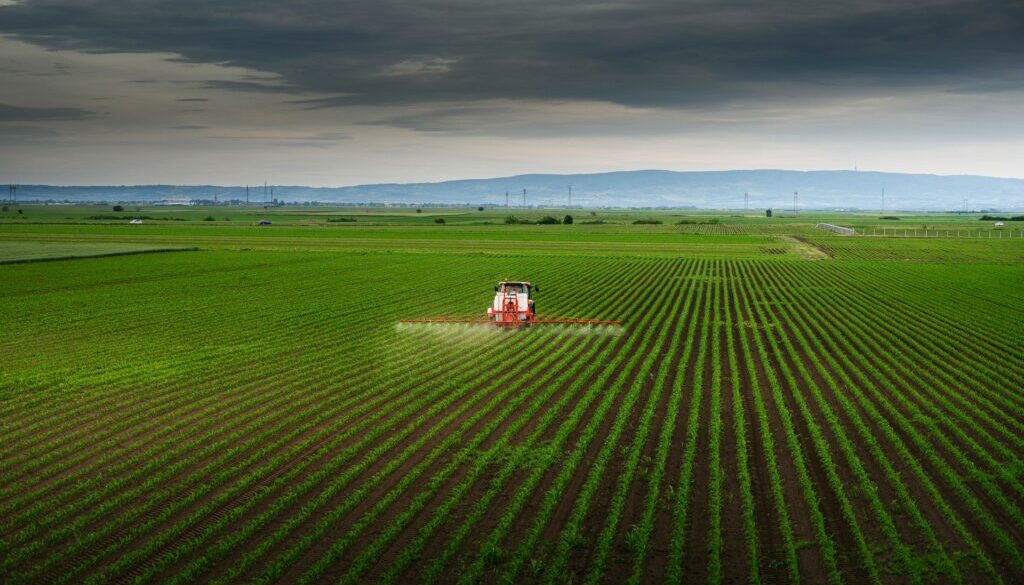
The new report focused on Iowa’s three most-used pesticides: glyphosate, acetochlor and atrazine. The state is routinely one of the five top states for use of the three pesticides, and the report found they are linked to several types of cancers that are increasing in Iowa, including pancreatic, oral, kidney and breast.
“The impact of pesticide use on cancer incidence may be similar to that of smoking,” the authors wrote. They cautioned that there are many more pesticides used in the state, many of which are also likely contributing to cancer rates and that there is a “cocktail” effect of people being exposed to many different types of pesticides.
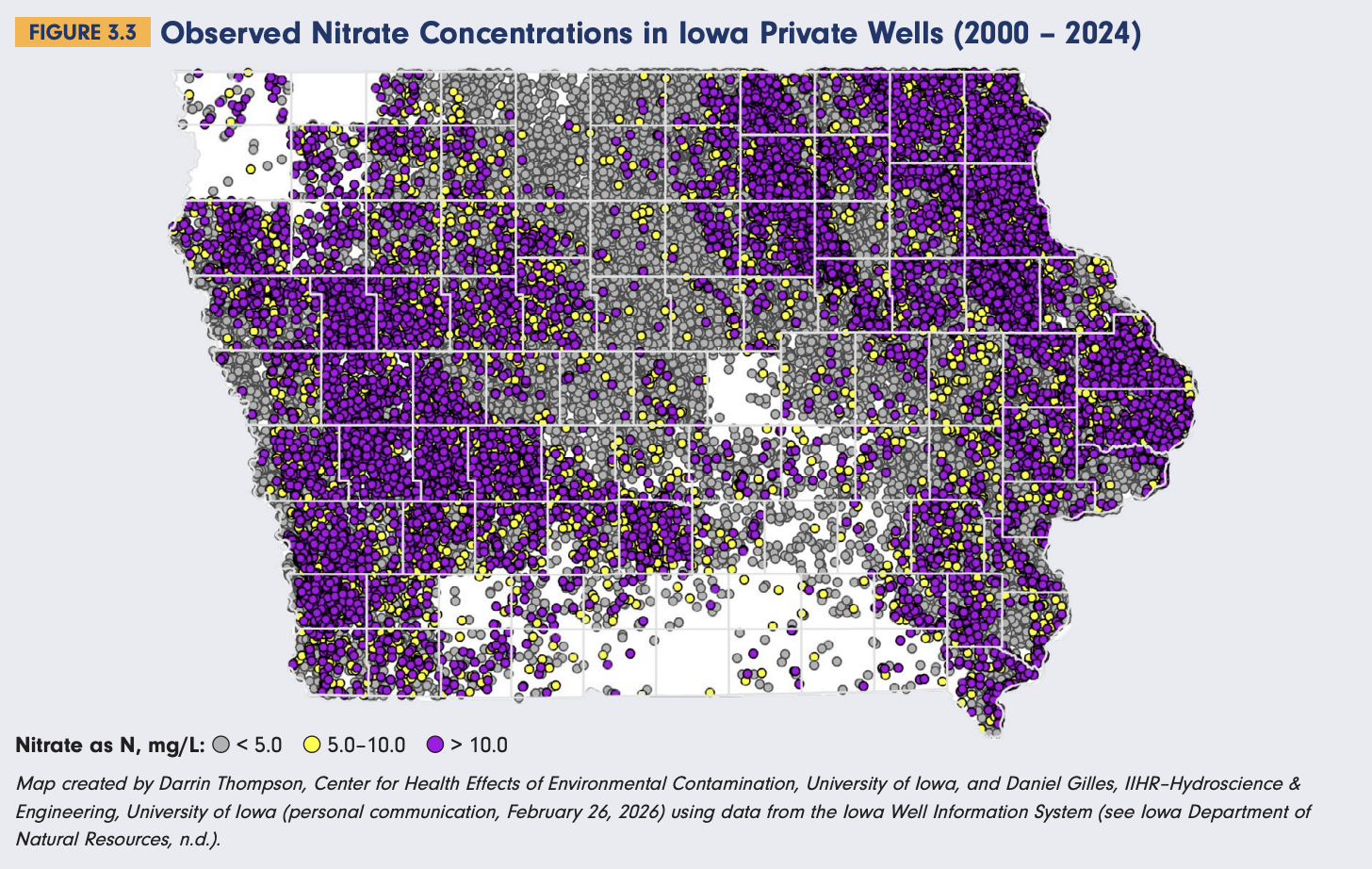
The report also focused on one of Iowa’s most frequent contaminants — nitrate, a form of nitrogen used as a fertilizer and also linked to some forms of cancer. Scientific research shows nitrate exposure is linked to several cancers, including kidney cancer — which is rising in Iowa. The contaminant is also linked to bladder and ovarian cancers, which, though not rising in Iowa, are present in the state at much higher levels than the broader US.
Agricultural fertilizers and manure from large-scale livestock operations are key sources for nitrates. Iowa is the nation’s top state for concentrated animal feeding operations (CAFOs). In addition, billions of pounds of synthetic fertilizers are applied to crop fields each year, leading to widespread water pollution problems. For example, Iowa’s Des Moines and Raccoon rivers are in the top 1% of rivers nationwide for nitrate concentration, states the report, with 80% of the contamination coming from agriculture.
However, some state farmers see curbing farm pollution as an economic and public health win. Matthew Bormann, who has been farming in Iowa for more than a quarter century, started applying nitrogen only in season (when the plants will uptake it), rotating cover crops to bolster soil, and reducing how much he tills the soil around 15 years ago on his corn and soybean crops.
“It just made farming so much easier for us,” he said, adding that the changes have bolstered soil health and reduced erosion, and decreased the amount of fertilizer runoff getting into waterways.
 Bormann, part of The Lobe Rangers farm group (named for the Des Moines Lobe region where he farms), makes clear that he is not an activist but a farmer that wants to help lead change in the state.
“We need more farmer adoption of practices to make water quality better and we’re just not seeing it at the level of scale that we need,” he said.
Iowa farm industry groups have resisted stricter regulation of livestock manure, or pesticide or fertilizer use, saying they are essential tools to grow crops and have been proven safe. The Iowa Farm Bureau and Iowa Corn Growers Association both did not respond to requests for comment on farm chemical links to cancer.
“Farmers often feel just as trapped in this system as the rest of us,” said Colleen Fowle, IEC water program director, and report co-author. “Farmers don’t always feel like they have the ability to make the decisions they want to make for their own land.”
Political inaction
Iowa’s cancer prevalence is influencing state politics, as lawmakers on both sides of the aisle weigh in on the crisis. Agriculture contributes an estimated $159.5 billion to the state’s economy – roughly one-third of Iowa’s total economic output, according to the Iowa Farm Bureau.
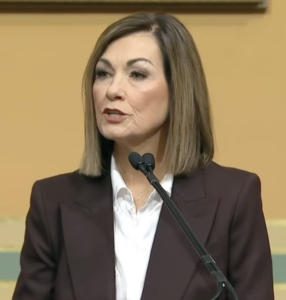
During her Condition of State speech in January, Governor Kim Reynolds, a Republican, said “every year, more than 20,000 Iowans are diagnosed with this terrible disease. Everyone in this room has been affected by it in some way.” She went on to push screenings as key in the cancer fight and to promote the state’s Healthy Hometowns Initiative, which will bolster cancer care “hubs” and “fund the oncologists, equipment, and advanced medical technology necessary to provide this specialized treatment.”
Democrat state lawmakers have been more willing to target pesticides and farm pollution as likely drivers of the state’s cancer rates.
“This report will corroborate what is instinctively held by most Iowans – a main driver of our cancer crisis is in our environment,” said physician and state representative Austin Baeth.
Baeth said the only recent state legislative movement on environmental carcinogens was on radon mitigation.
“Right now my task is to get my colleagues on the Republican side to admit there’s even a water pollution problem,” he said. The New Lede reached out to Republican state representative Dean Fisher, who chairs the state’s environmental protection committee, but did not hear back.
The Harkin Institute and the IEC are not the only groups in the state investigating cancer causes. Earlier this month researchers from the University of Iowa’s College of Public Health presented preliminary information from a year-long partnership with the state’s Department of Health and Human Services to better understand Iowa’s high cancer rate. The researchers stressed that the study, which is still ongoing, suggests there is not one single reason for the increased rates. However, they did tell state lawmakers that stricter pesticide regulations would likely help lower the state’s cancer rates.
“Right now my task is to get my colleagues on the Republican side to admit there’s even a water pollution problem.” -Austin Baeth, Iowa state representative
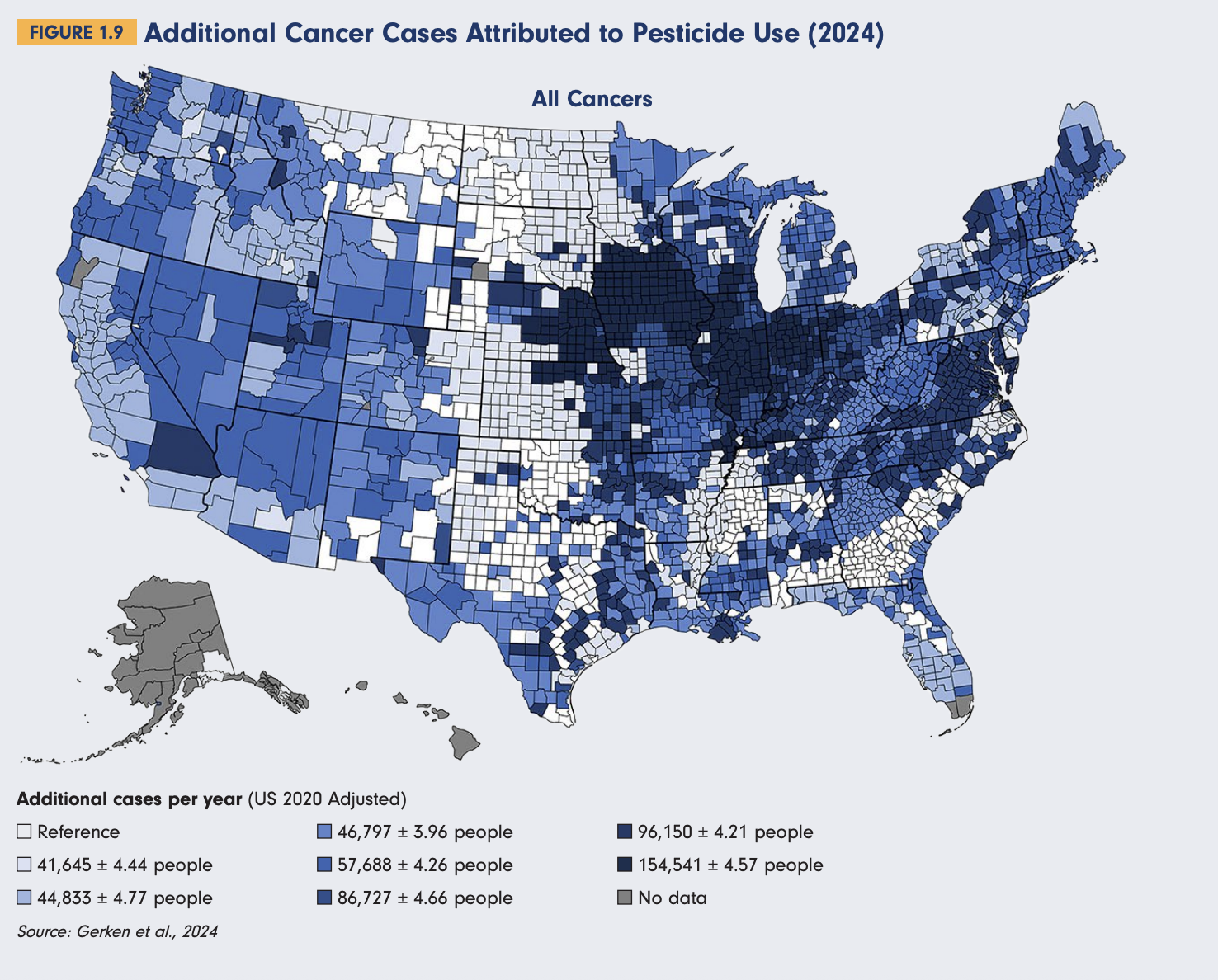
In addition, last week a new analysis by Food & Water Watch linked high use of the weed killer glyphosate to elevated rates of non-Hodgkin lymphoma (NHL), particularly in the Midwest. A map of the hotspots shows clusters of NHL rates particularly high in many parts of Iowa.
Calls for monitoring and pollution controls
The new report offers several suggestions to help ease the state’s cancer burden, including stricter water pollution limits, bolstered water monitoring, and more research on cancer and environmental risks.
“We should be funding the water monitoring network and measuring the level of nitrates and pesticides that are in our waterways,” Shriver said. “The state legislature basically defunded that two years ago … so it’s kind of wild to be saying ‘we don’t have enough information’ at the same time that you’re cutting off the flow of more information.”
The report also gives specific policy prescriptions of lowering the current nitrate maximum contaminant level of 10 mg/L (milligrams per liter) in public water, and adopting federal guidelines put in place more than a decade ago — which Iowa never adopted — that limit carcinogens in water and fish tissue.
Bormann said current voluntary measures aimed at farmers — such as the state’s nutrient reduction strategy — aren’t working.
“Farming is a business where folks get complacent and don’t have to change because they are comfortable where they’re at,” he said. “If farmers had to change practices to qualify for crop insurance or farm program payments you would see a change in the landscape overnight.”
Featured image: Getty Images/Unsplash +