Oh honey, where did you go?

By Richard Coy
A sticky situation is unfolding. Across the United States, men and women are busy shepherding their bees and preparing for the upcoming season. While honey bees fill the air looking for sweet smelling flowers, heightened operating expenses and declining honey production is leaving a sour taste for many beekeepers.
A recent USDA report indicates that beekeepers are investing more dollars for inputs such as feed and Varroa mite control. Throughout 2025, the reduction of floral sources forced beekeepers to make purchases of feed at a staggering cost of $55 million, a 22% increase from the 2024 crop year of $45 million.
The cost for controlling the Varroa mite, a honey bee parasite endemic in North America, increased by 32% to a tune of $22 million. Other colony expenditures escalated by 50% to $6 million.
On a positive note, the report finds that honey prices jumped by 27% in 2025. Unfortunately, the increase did not dramatically improve the failing industry. Instead, a 26% hike in expenses virtually wiped out profitability. Reductions in honey production have led to the aforementioned expenses that the United States beekeepers are incurring.
As stewards of pollinators, beekeepers observe environmental degradation that most people never notice. While honey bees collect pollen and nectar, they are exposed to every pesticide that is in the environment. Beekeepers see the environmental degradation and are sounding the alarm.
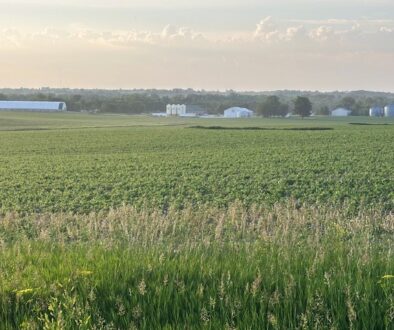
The question remains, will anything change? One must ask, how did this happen? The answer is clear. Flowers and plants that honey bees rely on are disappearing at a rapid rate. While some areas of habitat remain, they are becoming increasingly contaminated due to copious amounts of pesticides and fertilizers. The landscape has changed due to the planting of 90 million acres of corn and 90 million acres of soybeans.
The Freedom to Farm Act, officially known as the Federal Agriculture Improvement and Reform Act of 1996, was a US law that revised agricultural programs and began the rapid increase of corn and soybean acres. Over the past 30 years, we have maximized corn and soybean acres. In 1995, the corn and soybean acres totaled 130 million. Recently, 2025 had a combined total of 180 million. How much pollinator habitat was growing on that 50 million acres prior to 1995? Unfortunately we will never know, but USDA records indicate the United States honey production was recorded at 211 million pounds for the 1995 crop year.
Additionally, the introduction of herbicide tolerant corn, cotton and soybean further eliminated bee forage, also known as pollinator habitat, growing on the field edges.
Cropping systems that allow volatile herbicides to drift throughout the landscape should be avoided. We need to be better stewards of the environment. Furthermore, the areas between the Appalachian and the Rocky mountains will never recover until policymakers make changes to modern agriculture.
Adding insult to injury, the United States domestic honey market is in disarray. The National Honey Board, (NHB), A marketing board under control of USDA, recently announced that the consumption of honey in the United States has surpassed 700 million pounds. The NHB has accelerated the consumption and popularity of honey with great success.
Unfortunately, imported honey, in amounts in excess of 600 million pounds, has diluted the value of the United States domestic crop. A review of current NHB marketing procedures is needed. In addition, labeling laws should be updated in order for consumers to make informed decisions.
For instance, a label with “USDA Grade A” does not guarantee the honey is produced from a US beekeeper.
Reversing the course that we are currently on will take courage and determination. We will need fortitude to fundamentally change the industrial agriculture system that the United States is currently operating under. This will be a giant task that will require changes in policy for the USDA and EPA. Without significant change, environmental deterioration and contamination, as well as loss of market share, will continue.
The National Agricultural Statistics Service’s 2025 Honey Report, released on March 13, provides a bleak outlook for the US Beekeeping Industry. As stated in the report, “The United States honey production in 2025 totaled 116 million pounds, down 14% from 2024. There were 2.41 million colonies producing honey in 2025, down 7% from 2024. Yield per colony averaged 48.0 pounds, down 7% from 2024. Producer honey stocks were 34.8 million pounds on December 15, 2025, down 15% from a year earlier.”
The United States must decide if protecting the environment, including honey bees and the beekeepers that manage them, is of importance. Protecting the health of our planet ultimately protects the health of every human. After all, the protection of mankind is the responsibility of us all. Solutions and policy changes are essential. Action is needed.
Our beekeepers, current as well as future, are depending on us! They are wondering, “Oh honey, where did you go?”
(Opinion columns published in The New Lede represent the views of the individual(s) authoring the columns and not necessarily the perspectives of TNL editors.)
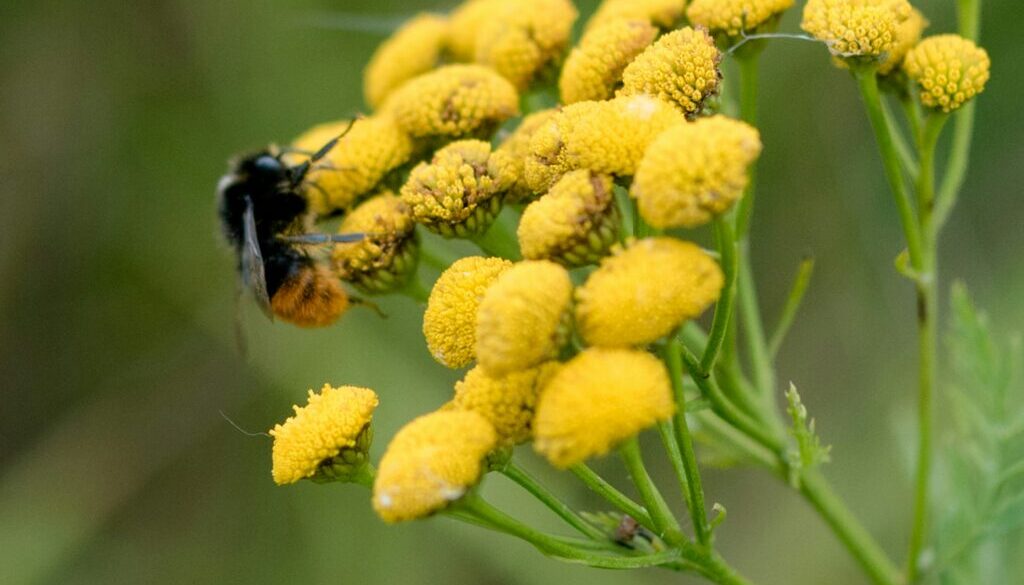
Featured image by Sandra Seitamaa for Unsplash+.