
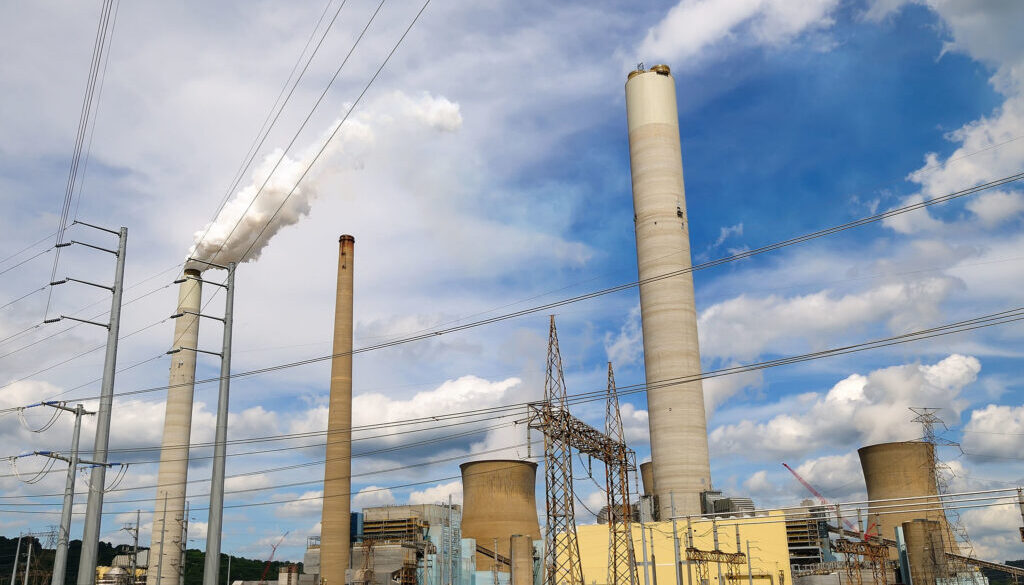
EPA repeals Biden-era coal rules aimed at limiting brain-harming pollution
Listen to the audio version of this article (generated by AI).
The US Environmental Protection Agency (EPA) repealed Biden-era regulations that forced power plants to cut harmful pollutants including brain-damaging mercury and particulate matter, EPA administrator Lee Zeldin announced on Friday.
At an event at the Mill Creek Power Plant in Kentucky, the agency announced the repeal of a 2024 rule known as the Mercury and Air Toxics Standards for power plants, or MATS.
The repeal specifically scrapped tighter limits on particulate matter and mercury air pollution from coal- and oil-fired power plants, as well as a requirement that all power plants use a continuous monitoring system for particulate matter. These changes remove a mandatory 70% reduction in mercury emissions from plants that burn a type of coal called lignite, and a 67% reduction in toxic metals such as lead, nickel and arsenic from all coal plants.
The EPA said the 2025 amendments were unnecessary, drove up energy costs for Americans, and were part of what the agency called the Biden administration’s “war on coal.”
“The Biden-Harris Administration’s anti-coal regulations sought to regulate out of existence this vital sector of our energy economy. If implemented, these actions would have destroyed reliable American energy,” Zeldin said in a statement. “The Trump EPA knows that we can grow the economy, enhance baseload power, and protect human health and the environment all at the same time.”
Both House and Senate Republicans praised the rollback.
“I applaud the Trump EPA’s continued efforts to overturn burdensome Democrat regulations that have placed lasting hardship on American families and workers,” Senate Environment and Public Works Chairperson Shelley Moore Capito, a Republican from West Virginia, said in a statement.
The EPA said the repeal is estimated to save $670 million. However, the Biden EPA had estimated that the stricter emission rules under MATS would result in up to $1.9 billion in health benefits and $1.4 billion in climate benefits.
Mercury is highly toxic, especially to babies and children, impacting the brain and nervous system. Coal plants are the dominant cause of mercury emissions in the US. Once emitted, mercury can turn into methylmercury, polluting land, water and air and can accumulate in fish.
The EPA itself warns that “more than 75,000 newborns in the United States each year may have an increased risk of learning disabilities” after exposure to methylmercury. Particulate matter is linked to heart and respiratory problems, pre-term births and premature deaths.
Environmental and health groups said the rule will make Americans sicker and supports a dying industry.
“With so many of the nation’s coal plants concentrated in the Midwest, this decision sends an unmistakable signal that our communities are expendable,” Brian Lynk, Environmental Law & Policy Center senior attorney, said in a statement. “Rolling back protections from toxic mercury pollution sacrifices public health to prop up a declining industry, even though it won’t change the fundamental economics driving coal’s decline.”
The EPA’s move is in line with the Trump administration’s continued push for coal, including reappropriating carbon capture funds to revive coal plants, expediting coal lease reviews, and, in some cases, forcing coal plants that would otherwise close to remain open. However, the US Energy Information Administration predicts that coal will continue to decline as a share of US energy sources, as renewables like solar continue to grow in share.
“The coal industry is in decline, and dismantling clean air protections won’t bring it back,” John Walke, senior attorney for the Natural Resources Defense Council, said in a statement. “It will only lead to more asthma attacks, more heart problems, and more premature deaths, especially in communities living in the shadow of coal plants.”
Featured image: Cathy/flickr




February 24, 2026 @ 5:02 pm
This article covers relevant national environmental policy and public health implications, reporting that the EPA has repealed Biden-era coal pollution rules designed to limit mercury and other toxic emissions. Decisions from the EPA must be implemented soon to having unforeseen circumstances.