

Health advocates call for a federal “reboot” in addressing ultra-processed foods
Listen to the audio version of this article (generated by AI).
A diverse group of food advocates, farmers, chefs and scientists is urging the US Food and Drug Administration (FDA) to define ultra-processed foods through a lens of public health, including what’s added or taken away from foods during processing, as well as any new risks introduced.
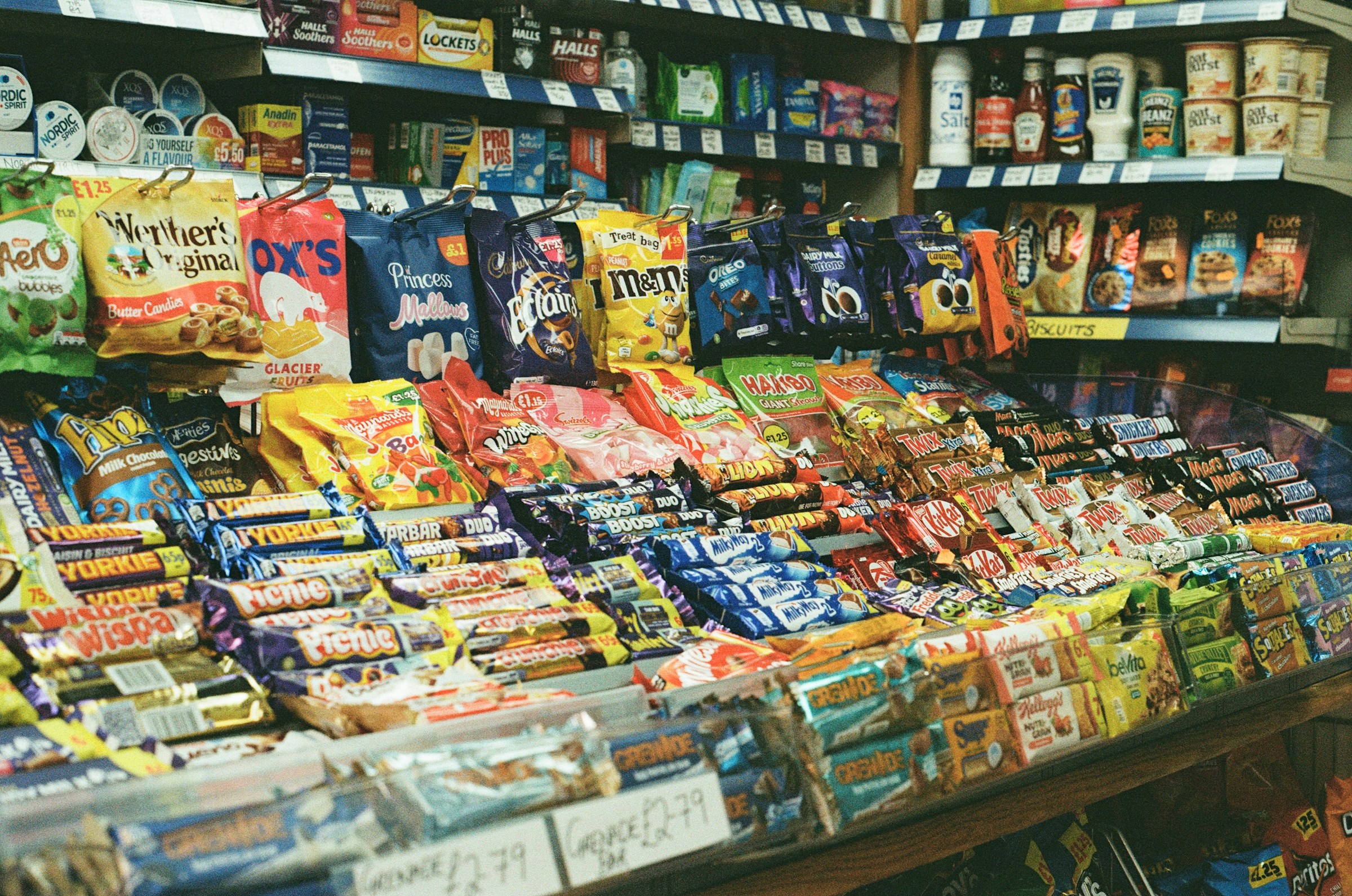
This new way of looking at heavily processed foods, including sugary drinks, bacon, hot dogs, lunch meats, many frozen foods, and chips, candy and other snacks, could “transform the US diet from one of the least healthy to most healthy in the world,” they say. Such foods are linked to obesity, heart problems, diabetes and some cancers.
Current classification of ultra-processed foods mostly relies on looking “at the bad things in a multi-ingredient processed food … the more additives, emulsifiers, flavorants, colorings, preservatives, the more likely it is to be properly classified in the ultra-processed food category,” said Charles Benbrook, a former research professor who previously served as executive director of the National Academy of Sciences board on agriculture. However, in a letter to the FDA last month, Benbrook and others said it is equally important to understand what healthy nutrients are lost and what new health risks have been introduced via processing, such as pesticide residues.
“The capacity of a serving of food to either help somebody get healthy or stay healthy should define nutritional quality,” Benbrook said.
Benbrook, along with organic farmers, nutritionists and other scientists, co-signed the letter sent by the Heartland Health Research Alliance (HHRA) and Swette Center to the FDA. The letter was sent as the agency, along with the US Department of Agriculture (USDA), solicited public input from July through October to help establish a uniform definition of ultra-processed foods. The issue is central to the “Make America Healthy Again,” or MAHA, movement and Health and Human Services Secretary Robert F. Kennedy Jr., who frequently points to such foods as a key driver in childhood diseases.
However, several food industry groups and companies continue to push back against the need to define ultra-processed foods, saying it will create confusion and unfairly target some foods. And health advocates say corporate influence continues to weaken the MAHA agenda — calling into question whether the agencies will actually make meaningful changes to how ultra processed foods are defined, and potentially to how they are labelled or regulated.
“A definition only does anything if it is incorporated into actual policies,” said Eva Greenthal, a senior policy scientist with the Center for Science in the Public Interest, which also sent the FDA a letter on defining ultra-processed foods. “It’s concerning that the current administration seems to primarily rely on voluntary policies and handshakes with corporations that are known to break their promises.”
Classifying processed foods
Ultra-processed foods account for more than half of the calories Americans consume at home, according to a 2024 study. And, while not all ultra-processed foods are equally detrimental to health, a massive scientific review last year tied such foods to 32 health conditions, including obesity, mental health disorders, heart problems and poor sleep.
“Scientists are increasingly piecing together how unhealthy ultra-processed food is contributing to metabolic syndromes and the worrisome trends in public health in the US,” Benbrook said.
Despite this mounting evidence of harm, there is no universal definition of what makes a food “ultra-processed,” though some states, including California, Pennsylvania and Massachusetts, have proposed definitions that vary.
“A definition only does anything if it is incorporated into actual policies.” – Eva Greenthal, Center for Science in the Public Interest
The comments sent by Benbrook and colleagues point out that not all calories are the same. They recommend identifying how much of the beneficial nutrients from the raw food remain in a food product after it’s processed, and foods retaining 95% of the nutrients should be classified as “whole or lightly processed;” those retaining 75% to 95% of the nutrients should be classified as “lightly processed;” and foods retaining less than 75% of the nutrients should be classified as ultra-processed.
Their proposed next step is calculating how much the ultra-processed foods contribute to a person’s calories for the day and whether those calories provide nutrients or are considered “empty,” such as calories from soda.
“The single most important metric that the government has to adopt is the percent of nutrient needs satisfied by a serving of food, relative to the percent of the allowable caloric space in a person’s stomach from which they must get all of their nutrients in a day,” Benbrook said.
The letter lastly recommends calculating possible health risks that are added to foods via processing, such as from pesticides and other chemicals or allergens, acknowledging “dealing with food safety hazards and risky compounds that can find their way into processed foods will be among the most difficult challenges confronting the FDA.”

CSPI similarly urged the FDA to first define processed foods and then define the subcategory of ultra-processed foods based on whether the foods are high in unhealthy nutrients or calories, contain processed meats, processed refined carbohydrates or ingredients strongly linked to cancer or other health problems.
The organization also cited the need for immediate policy change before any definitions are finalized, including front-of-package nutrition labels, cancer warnings on processed meats and targets for the food industry to reduce added sugars.
Greenthal said some companies are starting to put “non-UPF” labels on their foods, which creates confusion and highlights the need for a federal standard. “If people start to use non-UPF as synonymous with healthy that will create a very confusing landscape for the consumer,” she said.
Donald Davis, a nutrition scientist retired from the University of Texas and co-signer of HHRA’s letter to the FDA, said he hopes the agency doesn’t get lost in complexity while trying to define ultra-processed foods and instead keeps the focus simple: healthier diets.
“We don’t need 50 pages for this problem … we’ve known since at least 1973 that Americans get, on average, half of their calories from non-whole foods, namely refined sugars, milled grains, and fats and oils that have been separated from original products,” he said.
“Not a consistent or reliable proxy”
Several industry groups weighed in, saying efforts to define ultra-processed foods, label or regulate them could restrict consumers’ food choices and, given the sheer number of processed foods, would be vague and fail to meaningfully promote nutrition.
“[Ultra-processed foods] simply are not a consistent or reliable proxy for the impact of different foods on human health. The term remains vague and contested, and using it as the basis for regulation would not strengthen nutrition programs,” the National Association of Convenience Stores wrote to the FDA.
The National Pork Producers Council argued that defining ultra-processed foods could “unintentionally misclassify nutrient-dense foods simply because they are processed.”
“[Ultra-processed foods] simply are not a consistent or reliable proxy for the impact of different foods on human health.” – National Association of Convenience Stores
The council said pork products that have been seasoned or have an additive that helps extend shelf life could be considered ultra-processed and such labeling would “deny Americans nutrient-superior foods,” pointing out that many pork product additives are used to prevent food borne pathogens.
The International Dairy Foods Association said setting an ultra-processed food definition is “premature,” citing inconclusive science on whether the foods hurt people’s health.
“High-quality, safe American dairy products are proudly made with milk from US dairy farms,” Roberta Wagner, the association’s senior vice president of regulatory and scientific affairs, said in a statement. “Any attempts by the federal government to label such dairy foods as ‘ultra-processed’ or ‘highly processed’ foods without the support of a robust body of science, or clear scientific consensus, will confuse consumers, hinder policymakers, and reduce the consumption of nutrient-rich dairy products.”
Previous MAHA flip-flops
While health advocates remain hopeful that ultra-processed foods will remain a priority for the FDA and USDA, both Benbrook and Greenthal pointed to previous MAHA Commission backtracking and how it could impact future FDA moves.
The latest MAHA Commission report released in September was significantly more friendly to corporate interests than a prior MAHA report released in May, and removed previous references to harmful pesticides such as glyphosate and atrazine.
Last summer, multiple food industry groups, including the National Pork Producers Council and International Dairy Foods Association, attended a White House meeting and signaled their intent to be involved as the FDA prepares an ultra-processed food definition.
Benbrook said he expects movement on ultra-processed foods to appease many of the MAHA supporters.
“MAHA leadership in Washington, both in the administration and among the supporting groups, absolutely has to do something on ultra-processed food because they have so totally dropped the ball on pesticides and other chemicals in food,” Benbrook said.
“This is the start of a reboot in the food community.”
Featured image:Vitolda Klein/Unsplash+