WATCH: “We have to continue to grow this movement”
US Senator Cory Booker at the People vs. Poison Rally discussing today’s SCOTUS hearing on Monsanto and the importance of continuing the MAHA movement.

US Senator Cory Booker at the People vs. Poison Rally discussing today’s SCOTUS hearing on Monsanto and the importance of continuing the MAHA movement.
US Representative Chellie Pingree discusses today’s SCOTUS hearing on Monsanto.

A US Supreme Court hearing that will take up the thorny question of pesticide regulation on Monday is sparking heated debate over the role of the Environmental Protection Agency (EPA) when it comes to protecting consumers from harm.
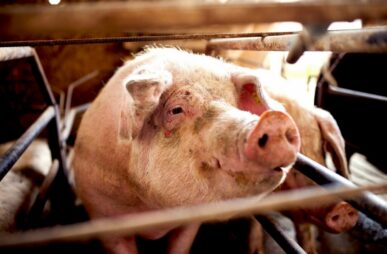
Iowa continues to dominate the US hog farming market — slaughtering more than 39 million hogs last year, roughly 30% of the nationwide market, according to the US Department of Agriculture’s (USDA) annual livestock slaughter report released this week.
The US Supreme Court is set to hear arguments in a key pesticide regulation case on Monday, setting the stage for a ruling that could weaken the ability of consumers to sue companies for failing to warn of product risks.

More than 60 million Americans get their water from sources contaminated with elevated levels of nitrate pollution, which is most likely coming from agricultural manure or fertilizer runoff, according to a new analysis.
A major Supreme Court case could decide whether people can hold chemical companies accountable for harm. At the center is Roundup and a legal fight over whether federal law overrides state rights. The outcome could impact thousands of lawsuits nationwide.
Hundreds of organizations, individuals, and states are taking sides in a landmark Supreme Court pesticide case. Monsanto’s supporters say a ruling against them could trigger food shortages and leave the US vulnerable to foreign threats. Opponents say a win for Monsanto strips everyday people of their right to sue when dangerous chemicals make them sick.
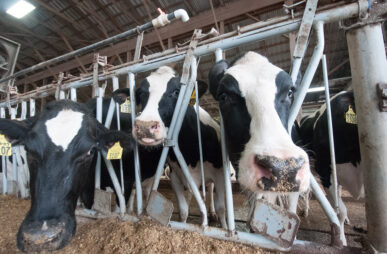
A proposal to build a mega-manure digester in a small Washington state community is sparking uproar among citizens who say the project to convert waste from dairy cows into fuel will add to the region’s already significant pollution problems.
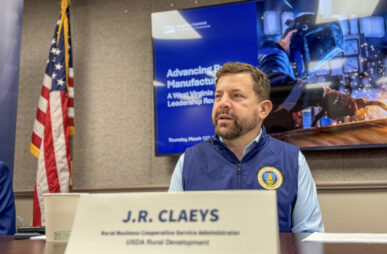
The US Department of Agriculture (USDA) extended its moratorium on loans for anaerobic digesters — many of which are issued for large-scale farms that turn animal waste into gas — through the end of 2026 due to “persistent and escalating concerns.”