WATCH: Kansas communities push back against AI data centers
As companies race to build massive data centers, residents across Kansas are organizing to slow or stop new projects. Editorial intern Julie Zenderoudi reports.

As companies race to build massive data centers, residents across Kansas are organizing to slow or stop new projects. Editorial intern Julie Zenderoudi reports.
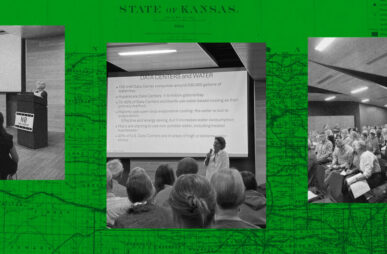
A group of residents in Lawrence, Kansas, believe they have everything a data center developer could want: undeveloped land, energy, and the Kansas River. As nearby towns face massive data center proposals, they’ve formed a well-organized opposition, learning from fellow advocates to discourage developers from bringing projects to their town.

The US government is no longer guaranteeing funding for the nation’s largest manure digester project that was years behind on paying its loans, but the troubled government loan program that had backed that project and many others remains on hold.
Julie Fosdick’s farm in Logan County, Illinois, has been in the family for almost 200 years, but it wasn’t until recently that it started attracting attention for its potential to make other people money. With 200 acres of mostly corn and soybeans that she manages for her four siblings, she’s drawn “a constant barrage” of offers from people interested in populating her land with solar panels or wind turbines.

Behold the “No Kings” protests last month. Millions of Americans in the streets opposing the Trump administration’s reckless governing principles. Thousands of communities expressing the solemn right to push back against a clear and present danger. At least for the time being. For real.
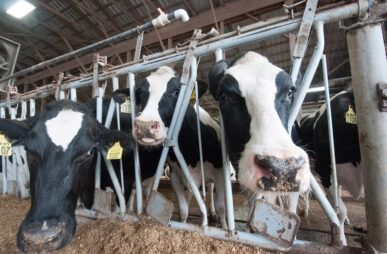
A proposal to build a mega-manure digester in a small Washington state community is sparking uproar among citizens who say the project to convert waste from dairy cows into fuel will add to the region’s already significant pollution problems.
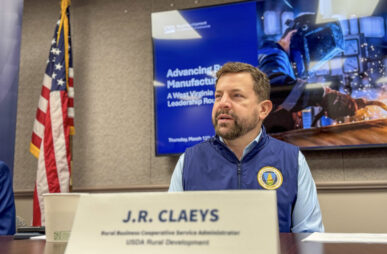
The US Department of Agriculture (USDA) extended its moratorium on loans for anaerobic digesters — many of which are issued for large-scale farms that turn animal waste into gas — through the end of 2026 due to “persistent and escalating concerns.”
A Wisconsin biogas facility billed as climate-friendly is emitting nearly 5,000 metric tons of methane a year — equal to 30,000 gas cars. Such digesters are meant to cut emissions, but critics say leaks, pollution and hidden costs raise serious concerns.
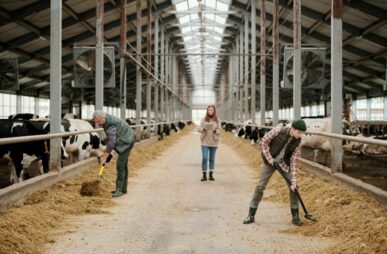
Farmers across the US are leaving potential energy lying on their fields, and have the ability to reap billions of dollars in revenue by turning animal manure, crop and food waste into natural gas, according to two industry reports released this month.
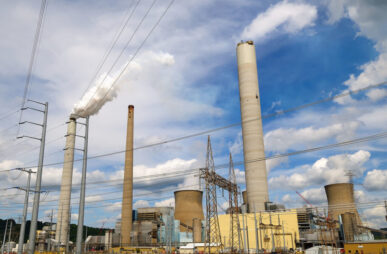
The US Environmental Protection Agency (EPA) repealed Biden-era regulations that forced power plants to cut harmful pollutants including brain-damaging mercury and particulate matter, EPA administrator Lee Zeldin announced on Friday.