
OSHA failing to protect US workers breathing cancer-causing air

By Jordan Cade
Workers across the country should never face the prospect of developing cancer simply by performing the jobs they are entrusted to do and contributing to the strength of the economy.
However, that remains the stark reality for thousands of employees working in commercial sterilization plants that rely heavily on ethylene oxide (EtO) — a transparent and highly flammable gas typically used to decontaminate delicate medical and pharmaceutical equipment.
Although this substance has played an undeniable role in ensuring that hospitals obtain sterile, infection-free instruments, its benefits have come at a profound and often overlooked cost: susceptibility to human carcinogens. Despite mounting evidence establishing this fact, the country’s Occupational Safety and Health Administration (OSHA) continues to enforce exposure limits set decades ago — when the full health implications of EtO were not yet clearly understood.
Without meaningful revisions to these obsolete standards, more workers will continue to breathe toxic air and be highly vulnerable to illnesses that could have been avoided with modern safeguards.
A hidden threat
For far too long, EtO has become a cornerstone of commercial sterilization — an essential step that guarantees the safety of medical instruments such as surgical kits, catheters, and wound dressings for patient use.
According to the country’s Food and Drug Administration (FDA), more than 20 billion, or approximately 50%, of all medical devices sold in the US each year are treated with this substance, being one of the few methods that can effectively perform the task without harming sensitive materials.
Yet while EtO enables modern healthcare to function safely, it compromises the well-being of those who handle it daily. True to this, exposure to this chemical has been strongly linked to different types of cancer, including lymphoma, leukemia, and malignancies of the stomach, pancreas, brain, breast, and nervous system. Other adverse effects also include neurotoxicity, reproductive and developmental disorders, pulmonary lesions, rhinitis, pulmonary edema, and more respiratory illnesses.
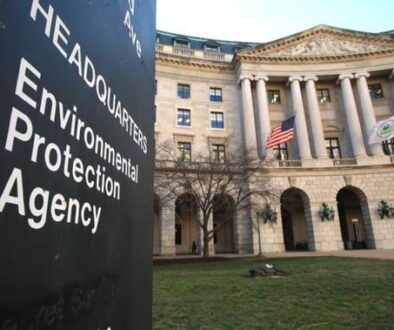
The US Environmental Protection Agency (EPA) has long emphasized the gravity of this issue. In fact, the agency’s recent assessment found more than 80 commercial sterilization facilities across 33 US states and territories that have been emitting alarming EtO concentrations during their operations. Of these, at least 25 local plants were already documented to pose cancer risks exceeding the standard threshold of 100 in one million to workers as well as nearby communities.
One notable site that has drawn particular attention is the Sterigenics Willowbrook Facility in Willowbrook, Illinois, where air quality modeling indicated cancer risks 64 times higher than the federal benchmark. Also, the Midwest Sterilization Corporation in Laredo, Texas, reported similar hazards after potential risks were estimated 350 times above safety guidelines. And because EtO readily disperses into surrounding areas, the hazard can also extend beyond employees and contaminated facilities, underscoring the urgent need for stronger federal oversight and protective measures.
At odds with science
Despite a growing body of research associating EtO with a range of cancer and other serious health problems, OSHA has not kept pace and continues to implement outdated federal standards initially established in 1984.
To this day, the assumption that adherence to these legal requirements guarantees workplace safety remains at odds with what science has proven. For one, the current permissible limit of one part of this chemical per million parts of air over an eight-hour shift under this rule continues to allow legal operation of sterilization facilities.
Yet researchers have already demonstrated that prolonged exposure, even at a minimal level, can still significantly increase cancer risks. And while OSHA requires some safety measures — including engineering controls, periodic air testing, and use of personal protective equipment — they are insufficient, as they do not mandate continuous monitoring of airborne pollutants, immediate response to unsafe concentrations, or long-term medical assistance for at-risk workers.
As a result, companies may appear compliant with the law but still present real, preventable health threats to their personnel.
A moral imperative
Resolving this long-standing issue is not just a policy matter — it is a moral and public health imperative. At this point, OSHA must revise its permissible exposure limits to reflect the latest toxicological research, ensuring that legal compliance actually corresponds to practical protection for workers. Beyond diminishing exposure thresholds, facilities must implement advanced engineering controls—such as state-of-the-art ventilation systems—and real-time air monitoring to detect and immediately mitigate unsafe concentrations. These measures are essential not only for preventing cancer and other long-term illnesses but also for creating and nurturing an environment where employees can perform their duties without fear that their safety is being compromised.’
Equally critical is establishing comprehensive, long-term medical surveillance for all workers exposed to EtO. With this step, federal and state leaders, as well as healthcare providers, can easily diagnose diseases earlier and even provide prompt intervention. Likewise, transparency and proactive safeguards must be prioritized, which means employees must have access to clear and accurate information about their exposure levels and undergo intensive training on protective procedures.
By adopting these steps, OSHA can finally close the persistent gap between regulatory compliance and proper safety — thereby ensuring that those who keep hospitals and sterilization facilities operational are not forced to pay with their health. The evidence is already very apparent, the tools exist, and the need is urgent. The federal government must act now to safeguard the thousands of American workers still at risk of exposure to EtO.
(Opinion columns published in The New Lede represent the views of the individual(s) authoring the columns and not necessarily the perspectives of TNL editors.)