
Behind the Lens podcast: Breathing poison air
Managing editor Brian Bienkowski joined the Behind the Lens podcast to discuss recent reporting on how air pollution impacts pregnant women and could trigger early labor. Listen.
Managing editor Brian Bienkowski joined WCMU Public Media — a northern Michigan NPR affiliate — to discuss how recent federal cuts may impact cleanup in St. Louis, Michigan, which has been dealing with toxic pollution from a long-shuttered plant for decades. Listen.
By Brian Bienkowski
Nearly 20% of packaged foods and drinks in the US have synthetic dyes, with most marketed to children and loaded with sugar, according to a new study that examined nearly 40,000 items from popular food brands.
By Brian Bienkowski
Kraft Heinz, the food giant behind dozens of popular brands including Oscar Mayer, Jell-O, Velveeta and Kool-Aid, will not launch any new foods with synthetic dyes and will remove the dyes from its current products by the end of 2027, the company said Tuesday.
By Brian Bienkowski
A grim assessment of children’s health released by the Trump administration last month that pointed to several types of chemicals as contributors to chronic disease has scientists renewing calls for changes in regulatory oversight, particularly at the US Food and Drug Administration (FDA).
By Brian Bienkowski
The federal government has been working with state and local officials for decades to reverse the harm caused by the Michigan Chemical Corporation, later named the Velsicol Chemical Corporation, spending hundreds of millions of dollars on mitigation efforts after toxics generated at the plant spread through the community of 7,400 people and far beyond. The plant closed in 1978 but the pollution persisted.
By Brian Bienkowski
Federal regulators are proposing to repeal Obama- and Biden-era regulations that forced power plants to cut harmful pollutants, including mercury, lead and arsenic, as well as greenhouse gases, US Environmental Protection Agency (EPA) administrator Lee Zeldin announced on Wednesday.
By Brian Bienkowski
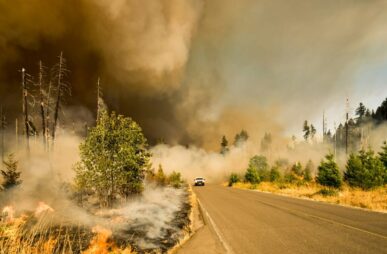
Breathing in these tiny particles — largely caused by traffic, industry, burning fossil fuels and wildfire smoke — disrupts the molecules in pregnant women’s blood, raising the risk for preterm and early births, according to a new study from Emory University.
By Brian Bienkowski
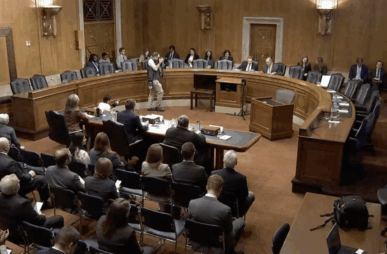
A Wednesday congressional briefing, led by the nonprofit Northeast-Midwest Institute, was aimed at giving lawmakers and their staff a deeper understanding of the impacts of — and solutions for — PFAS in the Great Lakes region.
By Brian Bienkowski
Debra Shankland was a kid when the Cuyahoga River in Ohio caught fire in 1969. “I saw the dead fish, I smelled it,” the retired biologist and environmental educator told a room of US Environmental Protection Agency (EPA) representatives on Wednesday. Shankland was one of many speakers at the latest listening session led by the EPA as the agency crafts a new definition for the long controversial language “waters of the United States” contained in the Clean Water Act.