OSHA failing to protect US workers breathing cancer-causing air
Workers across the country should never face the prospect of developing cancer simply by performing the jobs they are entrusted to do and contributing to the strength of the economy.


Workers across the country should never face the prospect of developing cancer simply by performing the jobs they are entrusted to do and contributing to the strength of the economy.

Kelly Ryerson never intended to become a food and health activist. The northern California married mom spent several years working in finance jobs before directing her focus to raising her two children. That changed in 2011, when debilitating bouts of odd illnesses sent her searching for answers.

The US Department of Agriculture (USDA) is earmarking $700 million to aid farmers wanting to pursue” regenerative” practices, which typically include a reduction in chemical inputs, government officials said on Wednesday.

US regulators are dismissing new research by international cancer experts that warns of links between cancer and the widely used pesticide atrazine, deriding the team of cancer scientists and echoing atrazine maker Syngenta in its criticism.
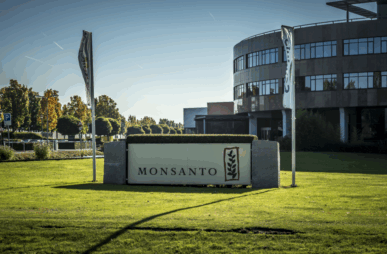
The journal Regulatory Toxicology and Pharmacology has formally retracted a sweeping scientific paper published in the year 2000 that became a key defense for Monsanto’s claim that Roundup herbicide and its active ingredient glyphosate don’t cause cancer.

New data is adding to regulatory concerns about the potential human health impacts of the weed killer paraquat, leading the US Environmental Protection Agency (EPA) to seek more information from manufacturers of the pesticide.

From botulism spores in infant formula to arsenic and insecticides in baby food, concerns are climbing over contamination in foods marketed as essential nutrition for young children.

Tyson Foods will stop asserting it is pursuing production of “climate-smart” beef and working to reduce harmful greenhouse gas emissions as part of a legal settlement of a lawsuit that challenged the veracity of the company’s environmental claims.

The US has been importing increasing amounts of paraquat, a pesticide widely used in farming that is linked to Parkinson’s disease, even as other countries have banned the chemical amid growing concerns about risks to human and environmental health, according to the findings of a new report.

Syngenta’s effort to settle thousands of lawsuits alleging its paraquat weed killer causes Parkinson’s disease may be running into a potential roadblock as some plaintiffs’ lawyers see the settlement terms as unfair to their clients.