Maryland residents search for answers as community struggles to overcome PFAS contamination
By Shannon Kelleher
Rick Wawrzeniak is tired of worrying about “forever chemicals.”


By Shannon Kelleher
Rick Wawrzeniak is tired of worrying about “forever chemicals.”

By Brian Bienkowski
A grim assessment of children’s health released by the Trump administration last month that pointed to several types of chemicals as contributors to chronic disease has scientists renewing calls for changes in regulatory oversight, particularly at the US Food and Drug Administration (FDA).

By Shannon Kelleher
Efforts by an international chemistry industry group to create a new, narrower definition for PFAS chemicals appear to be politically motivated, and could lead to weaker regulations of hazardous compounds, according to a group of international scientists.

By Brian Bienkowski
A Wednesday congressional briefing, led by the nonprofit Northeast-Midwest Institute, was aimed at giving lawmakers and their staff a deeper understanding of the impacts of — and solutions for — PFAS in the Great Lakes region.

By Carey Gillam
Exposures to pesticides and other chemicals, ultra-processed foods and over prescription of medications are among the factors contributing to an epidemic of chronic disease in America’s children, according to a government report issued Thursday by the Trump administration’s controversial “Make America Healthy Again” (MAHA) Commission.

By Shannon Kelleher
Toxic synthetic chemicals that migrate into ultra-processed foods from packaging, processing equipment and other sources may explain why these foods are so bad for our health, according to a new review article.

By Shannon Kelleher
US regulators said Wednesday they will do away with limits on certain types of toxic chemicals in US drinking water, a move that critics warn could expose millions of Americans to dangerous contaminants.
By Carey Gillam
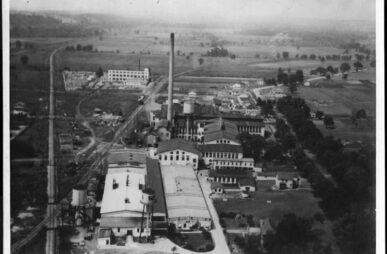
Residents of a Michigan community whose drinking water was polluted with toxic chemicals from a long-shuttered paper mill continue to have high levels of the compounds in their bodies, even years after the community switched to alternate water supplies, according to a new study.

By Shannon Kelleher
Residents of a Maryland community afflicted with contamination from harmful chemicals are demanding that a local soybean processing plant immediately stop releasing toxic PFAS into their drinking and groundwater, violating a federal law that governs the disposal of hazardous waste.

By Brian Bienkowski
Many popular beers — from both small breweries to large domestic and international ones — contain types of per- and polyfluoroalkyl substances (PFAS) linked to cancer and other health problems, according to a new study published in Environmental Science and Technology that looked at PFAS in 94 samples of beer.