
Guest Column: Paraquat and the deliberate production of ignorance
Nearly 60 years ago, a chemical company found that skin exposure to very high doses of its weedkiller paraquat caused “weakness and incoordination” in rabbits.
By Pam Strayer and Carey Gillam
Amid mounting evidence of the risks some synthetic pesticides pose to human and environmental health, California regulators this week were pushing ahead with a recently announced “roadmap” aimed at transitioning the state to more sustainable options for managing weeds and insects.
By Shannon Kelleher
Advocates are cheering US Senator Cory Booker’s recent move to reintroduce a bill that would strengthen legal protections against dangerous pesticides used in agriculture. However, the bill may face a steep uphill journey towards being signed into law.
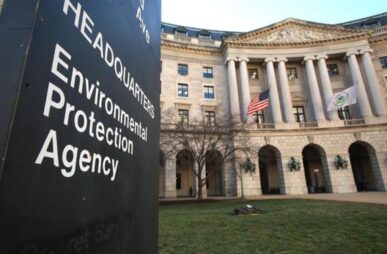
When US regulators issued a 2019 assessment of the widely used farm chemical paraquat, they determined that even though multiple scientific studies linked the chemical to Parkinson’s disease, that work was outweighed by other studies that did not find such links. Overall, the weight of scientific evidence was “insufficient” to prove paraquat causes the brain disease, officials with the US Environmental Protection Agency (EPA) declared.
When Illinois farmer Ron Niebruegge was diagnosed with Parkinson’s disease at the age of 55, he was certain it must be a mistake. Niebruegge had always been healthy and active, someone who loved horseback riding and taking his wife dancing on weekend nights.
For more than 50 years, Swiss chemical giant Syngenta has manufactured and marketed a widely used weed killing chemical called paraquat, and for much of that time the company has been dealing with external concerns that long-term exposure to the chemical may cause the dreaded, incurable brain ailment known as Parkinson’s disease.
The Environmental Protection Agency (EPA) is risking the health of farmworkers and other Americans by allowing continued widespread use of a highly toxic pesticide called paraquat that has been linked to Parkinson’s disease and other health problems, a coalition of advocacy groups alleged in court filings this week.
Five years ago the once seemingly invincible Monsanto Co. was dealt its first searing courtroom loss over allegations that its glyphosate weed killer causes cancer and Monsanto worked to hide the risks.