Former Monsanto CEO could have to testify at upcoming Roundup trial
Former Monsanto CEO Hugh Grant lost his appeal to escape testifying at an upcoming trial over claims that the company’s Roundup herbicide causes cancer.

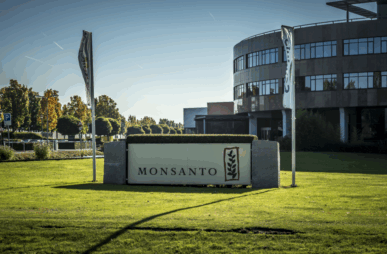
Former Monsanto CEO Hugh Grant lost his appeal to escape testifying at an upcoming trial over claims that the company’s Roundup herbicide causes cancer.

The California Office of Environmental Health Hazard Assessment (OEHHA) is proposing changes to its messaging to consumers regarding the cancer risk associated with products made with the weed killing chemical glyphosate.

Former Monsanto Co. Chairman and CEO Hugh Grant is appealing a judge’s order that would allow lawyers for a cancer patient to question him on the stand in a trial scheduled to start next month in Kansas City.

Just days before the scheduled start of what would have been the first Roundup cancer trial to take place in St. Louis, the former hometown of Monsanto Co., the three plaintiffs in the case on Wednesday agreed to accept a settlement offer from the maker of Roundup herbicide, which the plaintiffs alleged caused them each to develop non-Hodgkin lymphoma.

Monsanto on Thursday asked a St. Louis judge to delay the start of a trial over claims brought by three men alleging exposure to Monsanto’s glyphosate-based herbicides, such as the popular Roundup brand, caused them to develop non-Hodgkin lymphoma.

Three people suffering from cancer are set to face off against Monsanto in the latest courtroom battle over allegations that exposure to the company’s Roundup weed killer causes non-Hodgkin lymphoma.

Los Angeles City Attorney Mike Feuer set a press conference on Monday to announce a new lawsuit seeking “environmental justice” from Monsanto, the former chemical and seed company now owned by Bayer AG.
Five years ago the once seemingly invincible Monsanto Co. was dealt its first searing courtroom loss over allegations that its glyphosate weed killer causes cancer and Monsanto worked to hide the risks.

New testing of food products from Iowa groceries finds “alarming” levels of glyphosate