
Annual climate change report finds “planet on the brink”
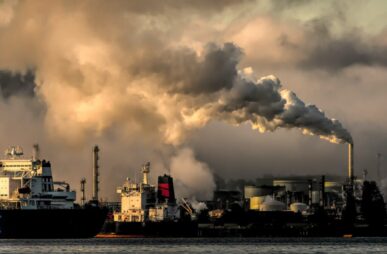
Earth’s vital signs are “flashing red,” fossil fuel use is at peak levels and warming is increasingly impacting forests, oceans and disaster frequency, according to a new report.
By Brian Bienkowski
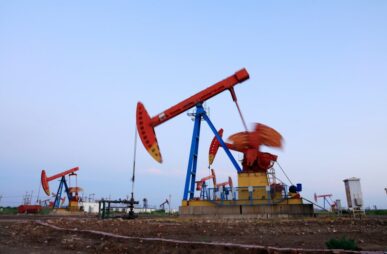
Crude oil production on federal lands in the US is at a record high, increasing sixfold over the past 15 years, according to a new report from the US Energy Information Administration (EIA).
By Bill Walker
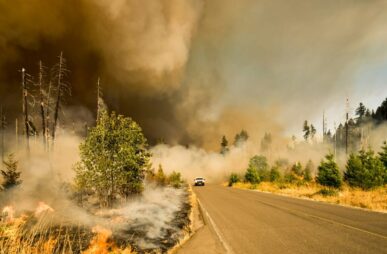
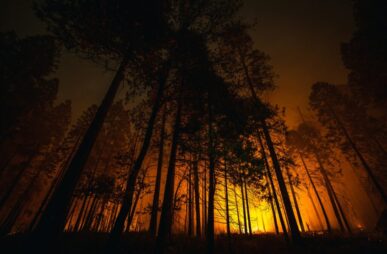
This summer, the Park Fire burned more than 425,000 acres near Chico, Calif. – the fourth-largest wildfire in the state’s history. It started when an arsonist pushed a flaming car into a grassy, brush-strewn gully, sparking California’s largest-ever deliberately set wildfire.
By Douglas Main
An ongoing outbreak of botulism, a bacterial illness that causes muscle paralysis, has killed more than 94,000 birds at Tule Lake National Wildlife Refuge in Northern California, the worst such outbreak at the lake ever recorded, according to federal scientists.
By Dana Drugmand
As climate change fuels increasingly damaging extreme weather events across the United States, litigation is growing against fossil fuel companies accused of being to blame for the devastation. But a series of recent legal moves by the industry and mixed judicial decisions underscore the challenges that local and state government plaintiffs face in the multi-billion-dollar battle.
By Grace van Deelen
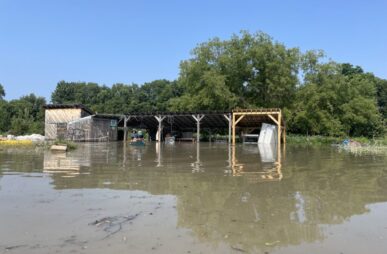
While much of the country suffers from extreme heat this summer, the US Northeast has seen excessive rains and extreme flooding, conditions that have decimated crops, drowned livestock, and left farmers struggling.
By Grace van Deelen
Tens of thousands of dead fish are washing up on the Texas Gulf Coast, unprecedented numbers of seabird carcasses are showing up on beaches, and toxic algal blooms are growing in size and frequency – all signs of the calamitous impacts of warming trends for ocean waters that some scientists say may be irreversible.
Human-caused global warming is set to surpass 2.7° Fahrenheit (1.5° Celsius) by the year 2037, overshooting an international goal beyond which severe climate disruptions may become the norm, according to a new analysis from 50 climate scientists.
By Grace van Deelen
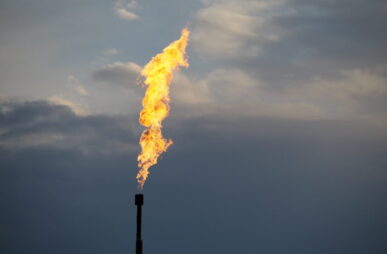
Governments around the world are failing to effectively regulate and mitigate harmful emissions of methane, a greenhouse gas with a climate warming potential more than 25 times stronger than carbon dioxide, according to research published Friday.