Postcard from California: Close California’s last nuclear power plant
The last nuclear power plant in California, vulnerable to earthquakes and priced out of the energy market by cheaper renewables, is slated to close in three years.
With the US House of Representatives positioned to approve on Friday the largest investment by the US government to combat climate change, some analysts are projecting the measures contained in the landmark Inflation Reduction Act (IRA) could reduce greenhouse gas emissions even more than the government has projected.
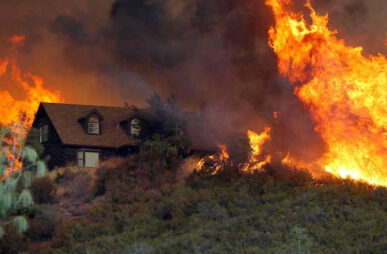
Homeowners and home builders in California and other US states at risk from wildfires must work harder to create “fire-resistant” homes as wildfire seasons grow in length, frequency, and severity, according to a new report.
More than a year and a half after the Biden administration unveiled a sweeping commitment to bring opportunities and aid to disadvantaged communities, environmental justice advocates are calling on the White House to move faster with its implementation of its Justice40 Initiative.
By Shannon Kelleher
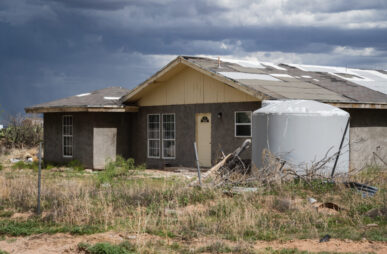
Growing up in south Texas, 25-year-old Joaquin Duran always wondered what it would be like to have running water. Before he was born, Duran’s parents moved from Juarez, Mexico to a small community called Cochran that lies within El Paso County. They hoped the enclave of Mexican-American families would be a safe place to raise their children and offer advantages not easily attained in Mexico.
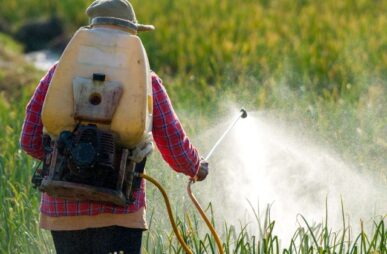
Our food supply needs pesticides – it’s as simple as that. Without access to these tools, US and global agriculture could not sustainably feed the world. Furthermore, attempts to do so would likely lead to environmental catastrophe. It is true that some production methods, such as organic, may use fewer pesticides than conventional agriculture—although, even organic producers can and do use some pesticides.
From wildfires racing through the drought-stricken west, to heavy flooding in the central and eastern regions of the United States, extreme weather events are spurring many Americans to seek refuge in more environmentally stable cities, so-called “climate havens.”
As climate change and environmental pollutants create harsh conditions that threaten not only planetary health but also human health, a chorus of voices is calling for recognition of the benefits associated with reductions in meat consumption and a shift to more plant-based dietary patterns.
In September 2020, California Gov. Gavin Newsom stood amid the devastation of a wildfire that ultimately burned more than 300,000 acres, incinerated entire towns, and killed 16 people. His voice hoarse in a ghastly gray air, the governor spoke angrily.
Nearly every day, Florida resident Pradeepa Siva goes paddle boarding through Doctors Pass in Naples. The thin passageway between Moorings Bay and the Florida Gulf of Mexico is home to a couple of friendly dolphins, which Siva often sees on her outings.