Updated clean air standards to cut smog-forming truck emissions
by Shannon Kelleher
This week, the Environmental Protection Agency (EPA) updated its clean air standards for heavy-duty vehicles for the first time in more than 20 years.


by Shannon Kelleher
This week, the Environmental Protection Agency (EPA) updated its clean air standards for heavy-duty vehicles for the first time in more than 20 years.
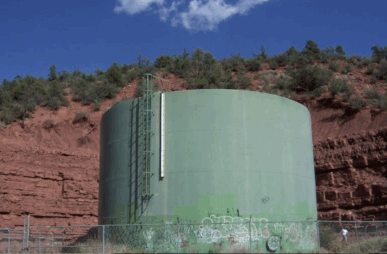
US tribal public water systems receive proportionately less federal testing for harmful “forever chemicals” than other drinking water systems, according to a new study published Wednesday in the journal Environmental Health Perspectives.

Exposure to arsenic through drinking water has long been recognized as a serious risk to human health. This month, two studies underscore the extent of the ongoing threat, presenting fresh evidence regarding how arsenic exposure contributes to antibiotic resistance, and how the overall health risks are disproportionately borne by Hispanic and American Indian communities.
By Grace van Deelen
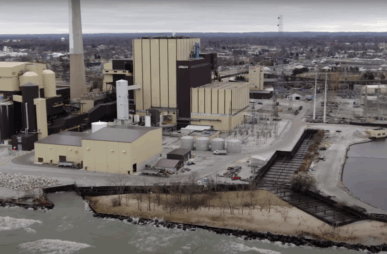
Seven years after US regulators set what were supposed to be strict rules for the disposal of coal ash—a toxic mix of metals such as arsenic and lead generated by coal-burning power plants—the vast majority of coal power plants are continuing to allow coal ash contamination of groundwater at levels considered unsafe, according to environmental advocacy groups.

By Shannon Kelleher
The World Health Organization (WHO) is ignoring risks to human health posed by two toxic types of PFAS chemicals, and is failing to propose properly protective measures in draft guidelines for drinking water standards, a group of more than 100 scientists alleged in a letter issued this month.
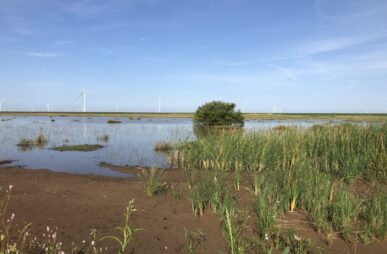
Across northwest Texas, from the panhandle south past Midland, nearly 20,000 shallow, watery basins dot the landscape. Locals call them mud holes, buffalo wallows, or lagoons, but they are technically known as playas. As oases in the landscape, these wetland areas act as recharge points for the Ogallala Aquifer and play a critical role in sustaining life in northwest Texas.

By Shannon Kelleher
For more than a century, members of the indigenous Penobscot Nation, who live along the Maine river from which they take their name, have mourned the loss of the migratory fish that sustained their ancestors.
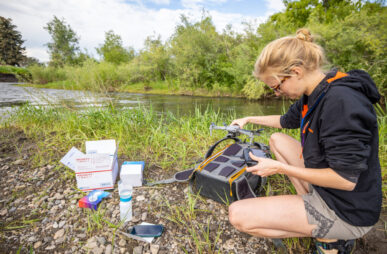
Clean water advocacy groups said this week that they have found toxins linked to cancer and other health problems in more than 80% of tested watersheds around the United States, adding to the growing body of evidence about the pervasiveness of per- and polyfluoroalkyl substances, better known as PFAS.

Amid growing evidence of the health risks associated with per- and polyfluoroalkyl substances (PFAS), a wave of technology companies are developing strategies to remove toxic PFAS chemicals from drinking water and wastewater.

By Shannon Kelleher
California Gov. Gavin Newsom signed a bill this week that will prevent deep sea mining in the waters off the state coastline, a move that joins California with other western states in a bid to protect more than 2,500 square miles of Pacific Ocean seafloor.