Fluoride in drinking water – what the public needs to know
By Tom Theimer
After decades of debate, there no longer is any doubt that the widespread US practice of adding fluoride to drinking water is posing risks to our health.


By Tom Theimer
After decades of debate, there no longer is any doubt that the widespread US practice of adding fluoride to drinking water is posing risks to our health.

By Bill Walker
The horrific fires that incinerated more than 40,000 acres in Southern California last month were still burning when newly-inaugurated President Trump flew in to view the devastation. At a Jan. 24 press briefing with local officials, he groused that he had heard people who lost their homes would not be allowed to rebuild for up to 18 months.
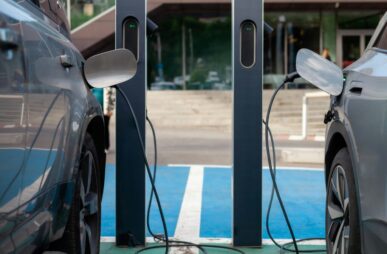
Of California’s dozens of landmark laws to curb climate-heating greenhouse gases and health-threatening air pollution, none is more ambitious than the rule that by 2035 all new passenger cars and trucks sold must be zero-emission vehicles (ZEVs) that run on electricity.
By Bill Walker
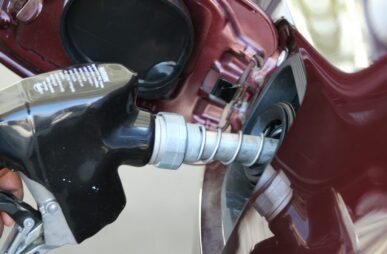
Next year, people in Wilmington and Carson, Calif., neighboring communities in south Los Angeles County, will breathe a bit easier thanks to a decision by Phillips 66 to shut down its gasoline refineries in those communities by the end of 2025.
By Bill Walker
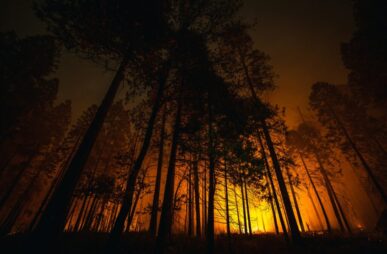
This summer, the Park Fire burned more than 425,000 acres near Chico, Calif. – the fourth-largest wildfire in the state’s history. It started when an arsonist pushed a flaming car into a grassy, brush-strewn gully, sparking California’s largest-ever deliberately set wildfire.

By Hans van Scharen
Big fossil-fuel companies like Shell, Exxon, BP or Total are not your trusted source to go to for solid advice on how to urgently prevent the climate from changing ever faster.
By Bill Walker
Last year, California Attorney General Rob Bonta filed a monumental lawsuit against five of the world’s largest petrochemical companies for an alleged “decades-long campaign of deception” about fossil fuels’ harm to the climate and the climate crisis’ devastating impacts on the state.

By Bill Walker
On July 7, six German motorcyclists were touring California’s Death Valley National Park as the thermometer hit 129 degrees Fahrenheit – one degree shy of the hottest temperature ever reliably measured on Earth.
By Bill Walker
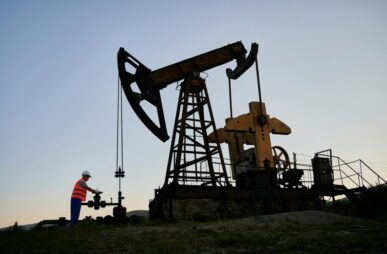
As California advances toward its goal of virtually eliminating the use of fossil fuels in 20 years, the state has dealt the oil and gas industry a barrage of body blows.

By Aidan Charron
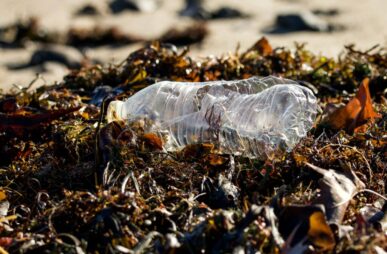
By now, you’d practically have to be living on Mars not to have heard about the health risks associated with plastics and the toxic chemical cocktail used to produce them.