Postcard from California: Close California’s last nuclear power plant
The last nuclear power plant in California, vulnerable to earthquakes and priced out of the energy market by cheaper renewables, is slated to close in three years.

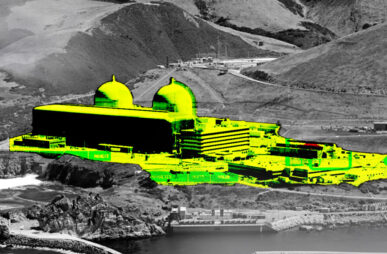
The last nuclear power plant in California, vulnerable to earthquakes and priced out of the energy market by cheaper renewables, is slated to close in three years.

Many decades ago, my mother-in-law set an example I aim to follow: As an activist challenging certain government policies, she centered all her work on a foundational question: Is it good for the children?
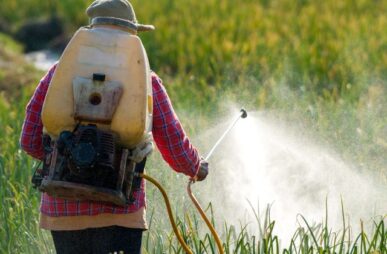
Our food supply needs pesticides – it’s as simple as that. Without access to these tools, US and global agriculture could not sustainably feed the world. Furthermore, attempts to do so would likely lead to environmental catastrophe. It is true that some production methods, such as organic, may use fewer pesticides than conventional agriculture—although, even organic producers can and do use some pesticides.

In September 2020, California Gov. Gavin Newsom stood amid the devastation of a wildfire that ultimately burned more than 300,000 acres, incinerated entire towns, and killed 16 people. His voice hoarse in a ghastly gray air, the governor spoke angrily.
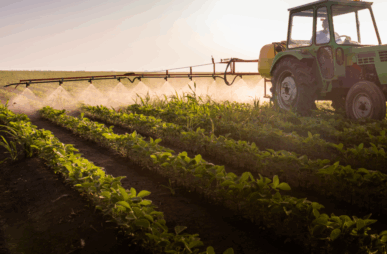
Earlier this month, a court decision about a chemical called glyphosate garnered headlines in newspapers across the country. And rightly so: glyphosate is the active ingredient in Monsanto’s Roundup weedkiller.
America’s infant formula shortage has raised urgent questions about the safety of our food supply. Most Americans believe America has the safest food supply in the world.
By Lisa Linowes
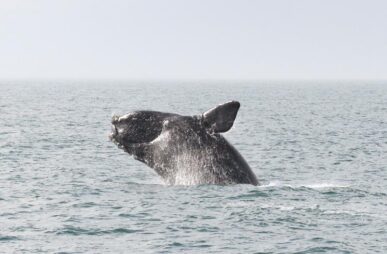
There is no question that the iconic North Atlantic right whale is at the brink of extinction; fewer than 370 remain on planet earth. Any additional negative impacts on the whale could easily spell its doom.