Opinion: Revealing the toxic lobbying power of Bayer
By Hans van Scharen
Big fossil-fuel companies like Shell, Exxon, BP or Total are not your trusted source to go to for solid advice on how to urgently prevent the climate from changing ever faster.

By Hans van Scharen
Big fossil-fuel companies like Shell, Exxon, BP or Total are not your trusted source to go to for solid advice on how to urgently prevent the climate from changing ever faster.
By Douglas Main
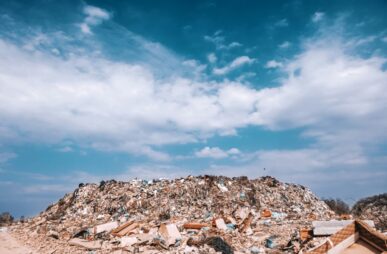
We now know that microplastics and nano-plastics are everywhere. They are found in the most remote parts of the deep ocean, on Mount Everest, in rainwater, in the food we eat and air we breathe. They’re showing up in animals and human organs, including the brain.

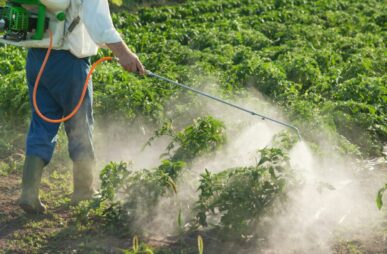
In 2017, two United Nations experts called for a treaty to strictly regulate dangerous pesticides, which they said were a “global human rights concern”, citing scientific research showing pesticides can cause cancers, Parkinson’s disease, Alzheimer’s, and other health problems.
In an investigative reporting collaboration with Lighthouse Reports and other international media partners, The New Lede reveals the inner workings of a vast international campaign orchestrated by pesticide industry proponents to downplay pesticide dangers, neutralize pesticide critics, and promote policies that benefit makers of pesticides and genetically engineered crops. Some of the work, including the creation of critical profiles of individuals the pesticide industry sees as opponents, was financed in part by US taxpayer dollars, according to documents unearthed in the investigation.
By Dana Drugmand
Plans for an expanded footprint of US fossil fuel-derived chemical production facilities would unleash millions of tons of heat-trapping emissions that could undermine efforts to confront the climate crisis, according to a report issued Tuesday.

By Dana Drugmand
More than 125 scientists have issued a stern warning to US officials over a rapid expansion of natural gas production, saying the moves threaten to exacerbate the climate crisis and risk further environmental and public health harms.

By Douglas Main
A wide variety of fungi and bacteria, including E. coli and other potential human pathogens, have been found high in the atmosphere where they can travel for hundreds to thousands of miles before falling back to Earth, according to new research.

By Carey Gillam
Efforts by some California lawmakers to ban the controversial weed killing chemical paraquat ended this week with passage of a law that keeps the chemical in use but requires a reevaluation by regulators within the next five years.

By Douglas Main
A growing body of scientific evidence shows that microplastics are accumulating in critical human organs, including the brain, alarming findings that highlight a need for more urgent actions to rein in plastic pollution, researchers say.

By Benjamin Purper
A majority of California airports known to be contaminated with toxic PFAS chemicals are continuing to rely on PFAS-laden foams for firefighting, despite a looming state deadline to phase out the foams due to the risks they pose to human and environmental health.