
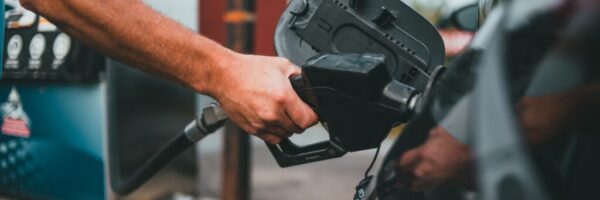
Postcard from California: Governor targets oil companies over high gas prices
By Bill Walker
Last June, a Chevron station in downtown Los Angeles charged $8.05 for a gallon of regular gas. At another Chevron station In the coastal village of Mendocino, the price that month hit $9.60.

Citing birds and bees, groups petition EPA to close pesticide loophole
By Carey Gillam
The US should overhaul regulation of a class of insecticides tied to excessive honeybee and bird deaths, according to a citizen petition filed Wednesday with the Environmental Protection Agency (EPA) by a coalition of more than 60 nonprofit groups.

At least 330 species across the globe contaminated with PFAS
A class of chemicals linked to multiple health hazards in humans have been detected in hundreds of wildlife species across the United States, according to a report issued Wednesday.

University under fire for handling of professor who testifies against Monsanto
By Carey Gillam
University officials in New York are wrongfully restricting the activities of a long-tenured professor and are helping Monsanto-owner Bayer AG undermine the professor’s credibility as an expert witness in litigation over the harmful impacts of toxic chemicals, according to a complaint submitted to the university on Tuesday.

Guest column: Protecting industrial workers from toxic chemicals
February started with news that’s all too familiar in the United States: An incident involving highly toxic industrial chemicals sparked a large fire, threatening an explosion, forcing evacuations, and putting workers and community members directly in harm’s way.
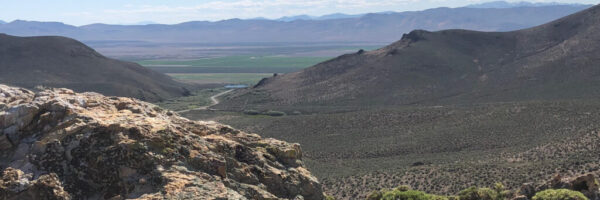
In push to mine for minerals, clean energy advocates ask what going green really means
By Shannon Kelleher
A traveler crossing the expanse of northern Nevada desert known as Thacker Pass might see a wasteland – nothing but scrubby sagebrush out to the rim of the caldera, where the mountains cut the horizon.
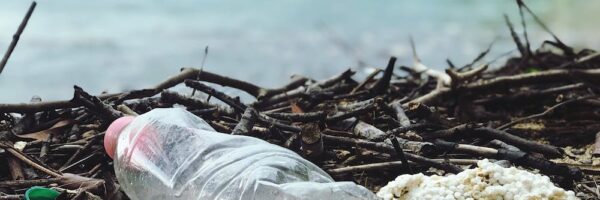
An “urgency to this” – microplastics posing human health risks, report warns
By Carey Gillam
Growing plastic pollution not only poses a threat to wildlife and the environment, but increasingly also to human health due to pervasive microscopic plastic particles that people are ingesting through their diet, according to a research report released Monday.
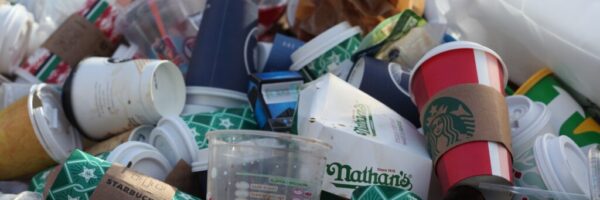
Single-use plastic waste is at record levels, with hefty climate toll, report warns
By Dana Drugmand
From grocery store bags and soda bottles to take-out containers and food packaging, single-use, disposable plastic is a pervasive problem that presents not just waste management problems, but considerable harmful climate impacts as well, according to a new report.

Biden misses the point on cancer fight
In President Biden’s state of the union address Tuesday night, he pledged his devotion to a fierce “fight against cancer,” invoking a heart-tugging story of baby “Ava,” who began battling kidney cancer at the age of 1.

“A national scandal” – new US climate funding could make water pollution worse
The $369 billion Inflation Reduction Act was applauded by a chorus of US organizations and activists enthusiastic about the generous funding earmarked for projects designed to mitigate harmful climate change and improve environmental health.