

Postcard from California: Roadblocks on the path to phase out gas
By Bill Walker
The October 2015 blowout at Aliso Canyon – a vast network of underground natural gas storage wells in Los Angeles’ San Fernando Valley – stands as one of the worst environmental disasters in California history.

Advising farmers on fertilizer, universities add to water pollution woes
WINONA, Minn. – Corn drapes every curve and rise here in Winona County, Minnesota – seemingly endless fields of grain that contribute to the food, fuel and finances of a robust US agricultural economy.
California court dismisses lawsuit over nuclear power plant
By Shannon Kelleher
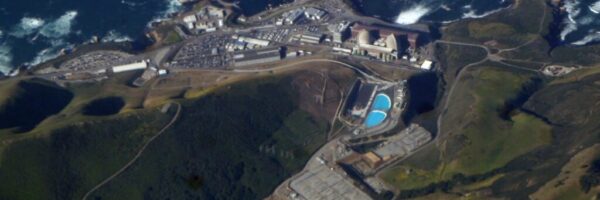
A California state judge has dismissed a lawsuit filed by an environmental group seeking to force Pacific Gas & Electric Power Co. (PG&E) to adhere to a 2016 pledge to fully retire the state’s last nuclear power plant by 2025.

EPA risking endangered species by allowing increased cadmium pollution, judge rules
By Shannon Kelleher
The Environmental Protection Agency (EPA) is failing to protect endangered species such as sea turtles and sturgeon by allowing sharp increases in levels of toxic cadmium in US waters, a federal judge has ruled.

Wisconsin city sues PFAS manufacturers for contaminating water supply
By Grace van Deelen
A Wisconsin city filed a lawsuit on Monday against multiple manufacturers of toxic substances knowns as PFAS, claiming the chemical makers should be responsible for more than $20 million in expected costs to clean up PFAS-contaminated water supplies.

Science takes center stage in court hearing over paraquat and Parkinson’s disease
By Carey Gillam
Testimony is underway this week in a key federal court hearing aimed at examining scientific evidence about allegations that a widely used weedkiller called paraquat causes Parkinson’s disease.

Conflict of interest alleged in Roundup case in Monsanto’s home town
By Carey Gillam
Lawyers representing a man who blames his cancer on exposure to Monsanto’s Roundup weed killer are crying foul over what they say are close personal ties between a lead Monsanto lawyer and a special magistrate helping oversee the Roundup litigation.
Critical hearing looms in battle over California’s last nuclear power plant
By Shannon Kelleher
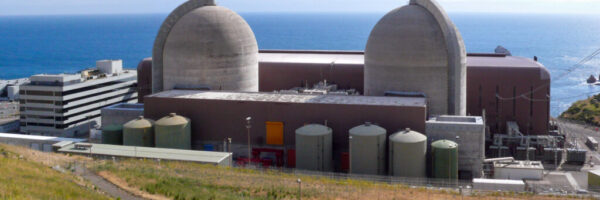
Opponents of a nuclear power plant in California face a key court hearing next week, a potential turning point in a long-running battle over the fate of the state’s last nuclear power plant.

PFAS in firefighting foam linked to testicular cancer in new study
By Grace van Deelen
A study of over 1,000 Air Force servicemen shows that exposure to firefighting foam containing PFAS may be linked to a higher risk of developing testicular cancer.

GE, Bayer, blamed for child’s cancer in a community awash in PCB pollution
By Carey Gillam
A Massachusetts mother filed a lawsuit on Tuesday blaming widespread PCB pollution by General Electric (GE), Monsanto and its German owner Bayer AG, and several other companies for causing her 9-year-old son to develop leukemia and suffer repeated debilitating medical treatment.